
HOW TO REDUCE INFLAMMATION NATURALLY || What the Evidence Says About Food, Movement, and Sleep
Search “how to reduce inflammation” and the answers arrive by the dozen, from 21-day resets to single miracle foods.
The research offers a calmer story. Chronic low-grade inflammation, the kind tracked through blood markers such as C-reactive protein (CRP), responds to how we eat, move, and sleep. An anti-inflammatory lifestyle works, and the effects are real, if modest.
What Is Chronic Inflammation, and Can Lifestyle Lower It?
Inflammation is the body’s protective response to injury and infection. Chronic inflammation is the long-term version, linked to heart disease, type 2 diabetes and obesity-related metabolic problems. Lifestyle changes can lower the markers doctors use to track it. Here is how the habits rank, from strongest evidence to weakest.
1. Eat a Mediterranean-Style Anti-Inflammatory Diet
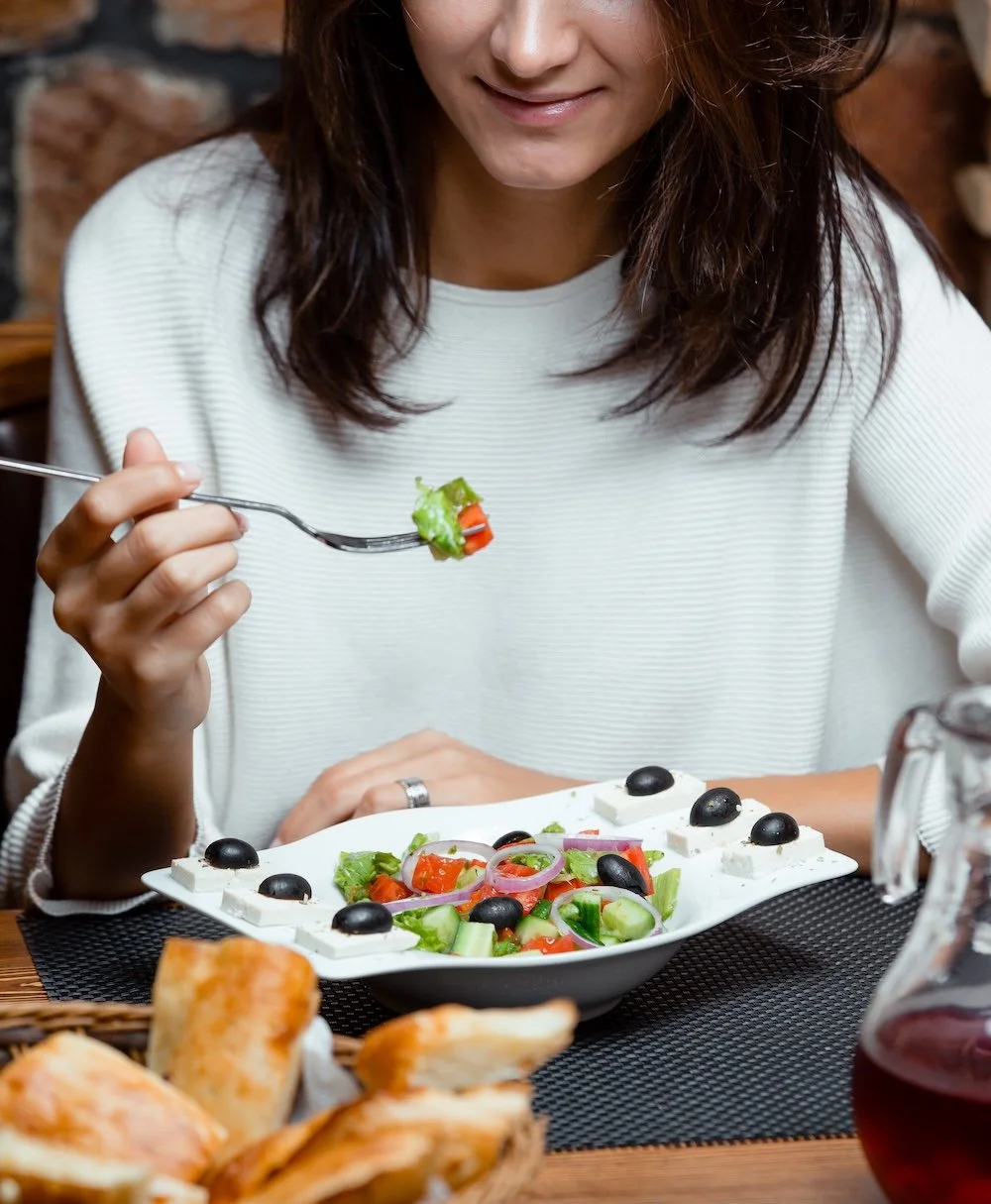
This pattern has the deepest evidence. It centers on vegetables, fruit, legumes, whole grains, nuts, olive oil and fish, with fewer refined grains, sugary drinks and processed meats. In practice, that can mean swapping processed meat for fatty fish or legumes.
A two-year randomized trial in Italy followed 180 adults with metabolic syndrome. Those on a Mediterranean-style diet had significantly lower levels of hs-CRP and interleukin-6 (IL-6) than the control group on a standard prudent diet. An umbrella review of trial analyses also ranked the Mediterranean diet most effective for lowering CRP, though it rated the evidence quality as weak. Cutting back on ultra-processed foods likely helps too, but most evidence is observational.
2. Move Your Body, Strength Training Included
A meta-analysis of 23 randomized trials in adults with type 2 diabetes found that exercise significantly reduced CRP, tumour necrosis factor alpha (TNF-alpha) and IL-6. Another meta-analysis found that moderate resistance training three times a week lowered CRP in middle-aged and older adults, though the changes in IL-6 and TNF-alpha were not statistically significant. Overdoing it can backfire, since excessive exercise can trigger inflammation. Steady and sustainable is the goal.
3. Protect Your Sleep
A meta-analysis of 72 studies and more than 50,000 participants linked poor sleep quality and long sleep duration to higher CRP and IL-6. Shorter sleep was tied to higher CRP. A single rough night appears to change little. An updated analysis found that partial sleep restriction across at least three nights may raise IL-6 and CRP, so the pattern matters more than any one evening. So, if you lose one night of rest, don’t fret yet; consistency is key to feeling better over time.
4. Manage Stress, With Patience
This habit has the weakest data support of the four. Two randomized trials of mindfulness training found no overall CRP reduction in stressed adults. An exploratory analysis hinted at benefits for midlife and older adults and people with a higher body mass index. Treat it as a supporting habit rather than a stand-alone fix.
What Results Should You Expect?
Expect gradual change, measured in blood markers rather than in how you feel on a given day. Effects build over weeks to months and vary from person to person. An ordinary cold can also push a single reading higher, so treat one test as a snapshot of that moment. A doctor can order an hs-CRP test and interpret it alongside your health history, especially if you manage a chronic condition.
Stop buying into miracle cures that are often touted online. Choose one habit, repeat it for a season, and let the numbers tell you what is working.
References
Esposito et al., Effect of a Mediterranean-Style Diet on Endothelial Dysfunction and Markers of Vascular Inflammation in the Metabolic Syndrome, JAMA, 2004
Umbrella review of dietary patterns and circulating CRP levels in adults
Chen et al., Effects of Exercise on Inflammatory Cytokines in Patients with Type 2 Diabetes: A Meta-analysis of Randomized Controlled Trials, Oxidative Medicine and Cellular Longevity, 2020
Cheng and Yang, Effect of resistance training on inflammatory markers in middle-aged and older adults: A meta-analysis
Irwin et al., Sleep Disturbance, Sleep Duration, and Inflammation: A Systematic Review and Meta-Analysis of Cohort Studies and Experimental Sleep Deprivation, Biological Psychiatry, 2016
Effects of Experimental Sleep Deprivation on Peripheral Inflammation: An Updated Meta-Analysis of Human Studies, Journal of Sleep Research
Villalba et al., Mindfulness training and systemic low-grade inflammation in stressed community adults: Evidence from two randomized controlled trials, PLoS One, 2019