THE GUARDIANS OF FLAVOUR || Casa Imperial Brings the Spirit of the Mayoras to Mexico City
In Mexico, recipes are rarely written down. They are remembered in the hands of the mayoras that grind corn on stone, tend slow fires, and pass knowledge from one generation to the next.
At Casa Imperial, a new Mexican brasserie in the Polanco district of Mexico City, this quiet lineage of culinary knowledge forms the heart of the restaurant’s philosophy. Rather than chasing reinvention, the kitchen looks toward the women who preserved the country’s culinary traditions for generations. Known as mayoras, these guardians of flavour have long shaped the rhythms of Mexican cooking, preserving techniques that rely as much on instinct and memory as on ingredients.
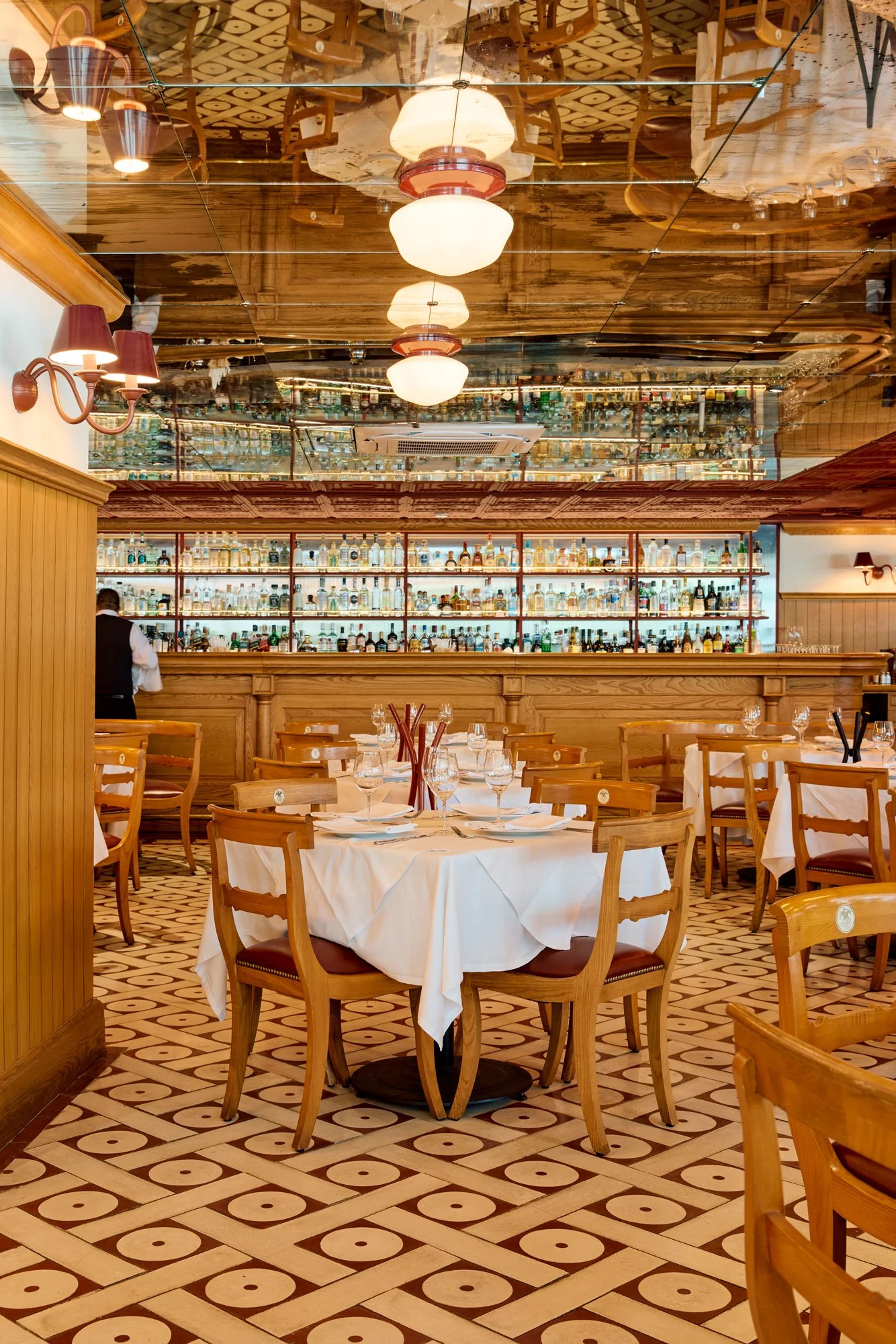
Casa Imperial’s signage welcomes guests into a restaurant dedicated to traditional Mexican cuisine and hospitality. The dining room draws inspiration from historic Mexican brasseries, with patterned floors, warm wood furnishings, and a long mirrored bar. Photo credit for exterior and interior images: JPARK
Located at the corner of Emilio Castelar and Galileo, Casa Imperial sits within walking distance of the boutiques of Avenida Masaryk, the lively cafés of Polanquito, and the leafy calm of Parque Lincoln. The restaurant is designed as a gathering place for both locals and visitors, a space where the experience of Mexican hospitality unfolds gradually from breakfast through dinner. The concept celebrates the recipes that define everyday Mexican cooking, prepared with regional ingredients and the unmistakable warmth of dishes rooted in memory.
The menu reflects this approach with dishes that feel both familiar and carefully composed. Morning begins with classics that have anchored Mexican breakfasts for generations. Huevos rancheros arrive atop a quesadilla filled with Yecapixtla cecina, finished with roasted red sauce, avocado, and refried beans. Chilaquiles with barbacoa are served with salsa borracha made from pulque, while Oaxaca-style chicken tamales offer a comforting start to the day. Fresh pastries, house-baked breads, and coffee sourced from the highlands of Chiapas round out the morning table.
A scrumptious meal with traditional brasserie options and cultural flavours.
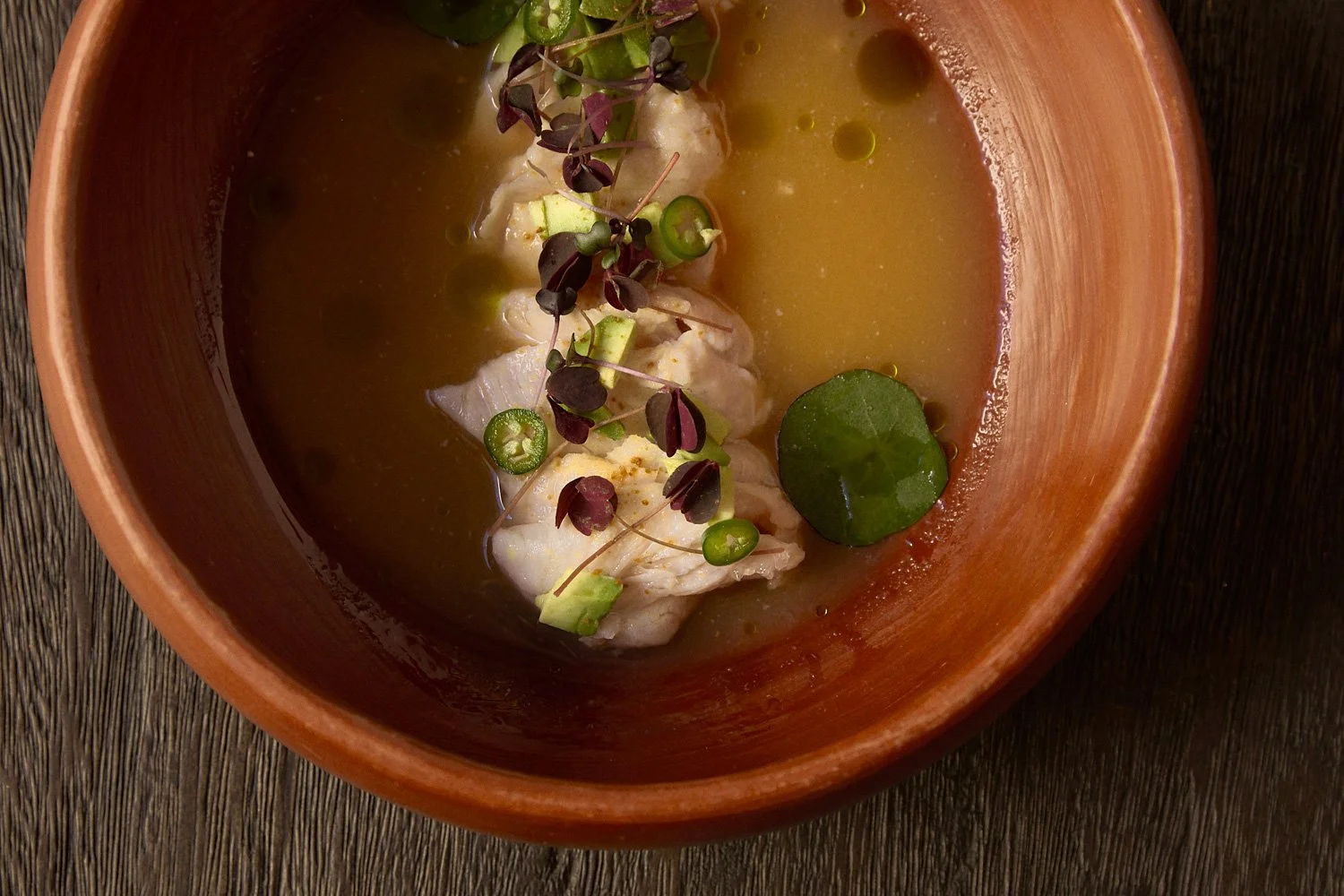
As the day unfolds, the menu expands into soups, tacos, and traditional main dishes that draw from regional culinary traditions across the country. Handmade tortillas crafted from nixtamalized masa form the base for tacos filled with al pastor style fish, shrimp gobernador, or tender beef tongue. Among the main courses, albóndigas simmer in chipotle sauce alongside rice and slow cooked beans, while mole poblano with chicken brings the deep, layered flavours that define one of Mexico’s most celebrated sauces.
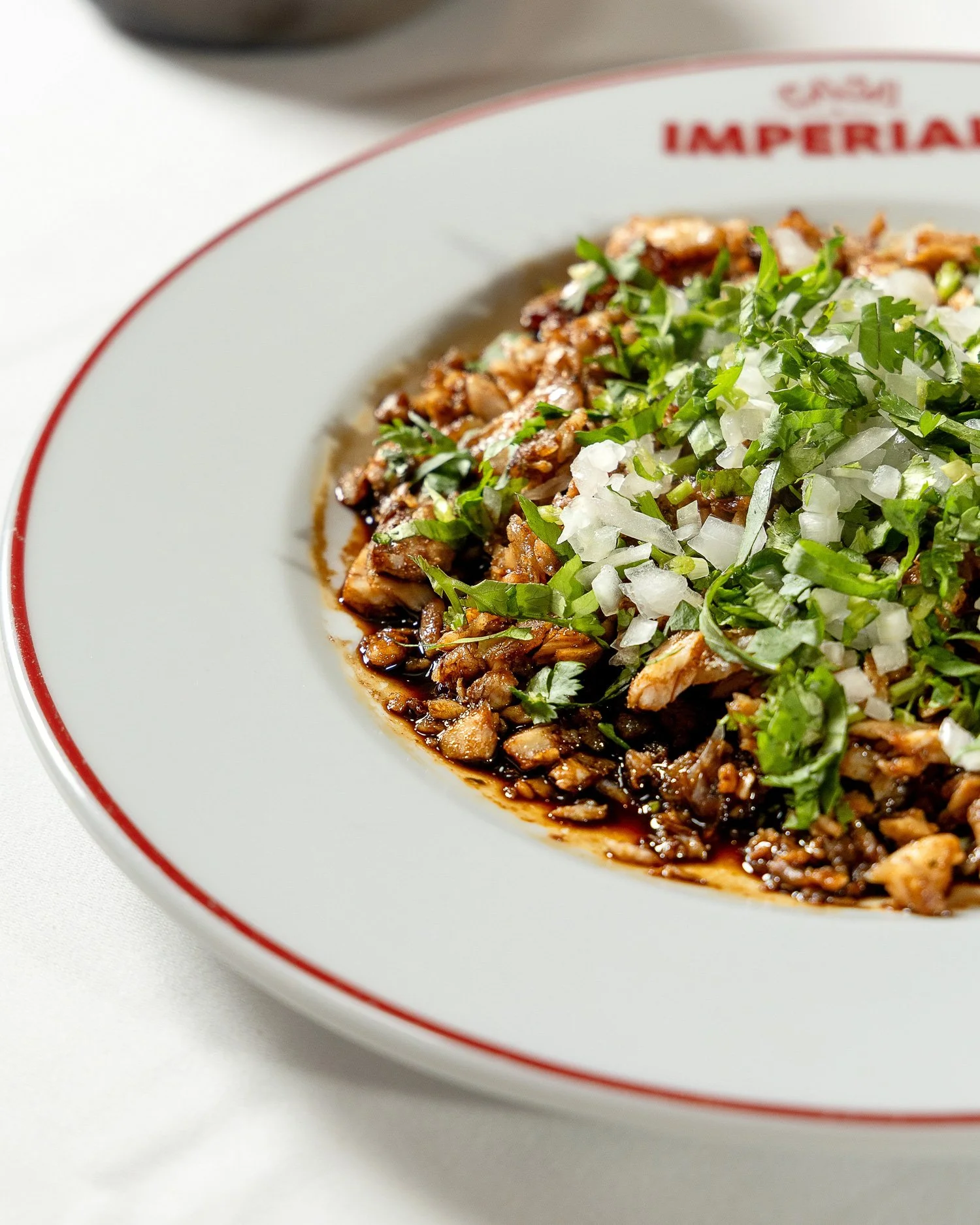
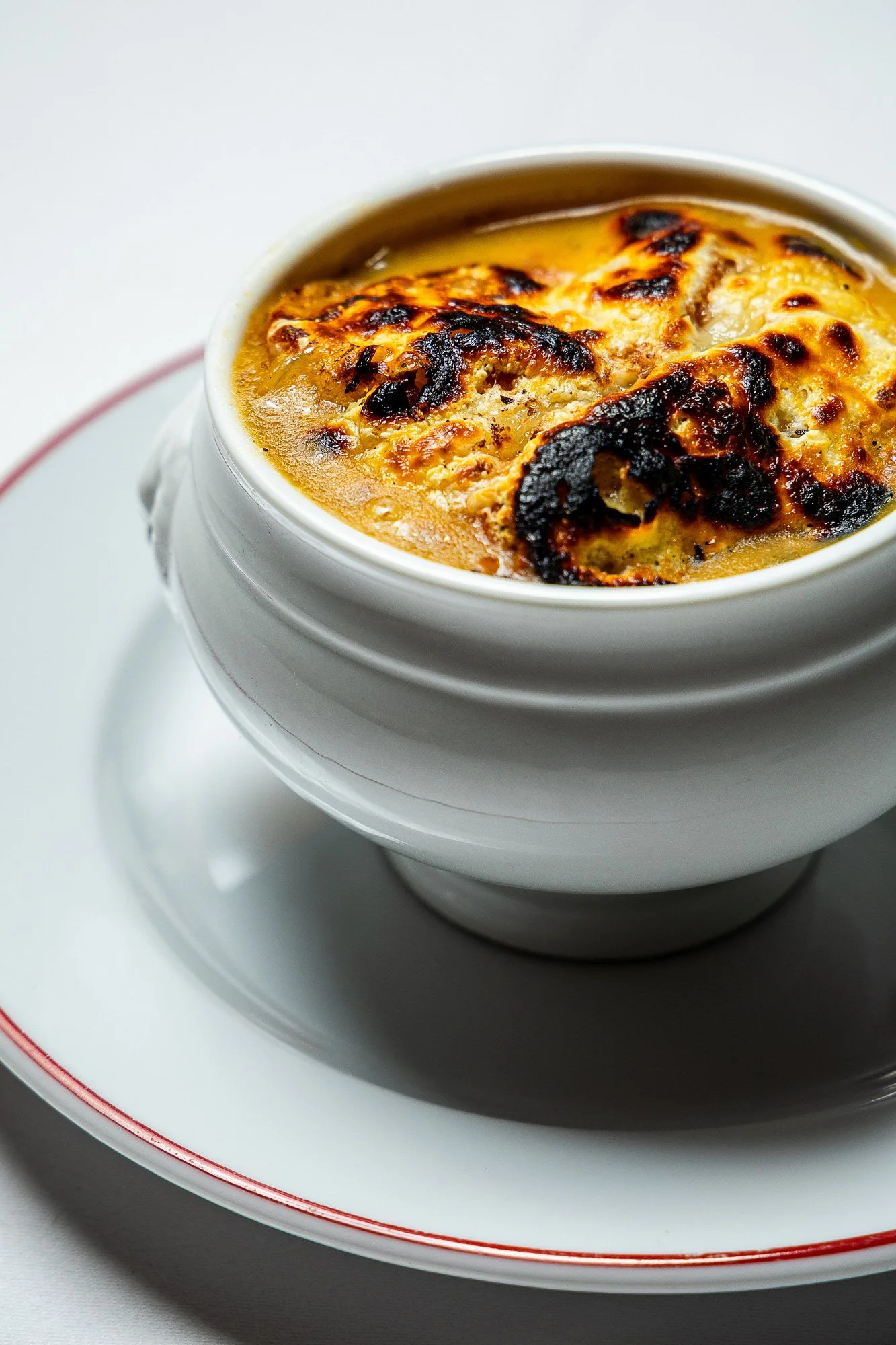
Other dishes invite diners to explore textures and flavours that have long defined the country’s culinary landscape. Blue corn sopecitos may arrive topped with chapulines or escamoles, while guacamole crowned with toasted grasshoppers introduces a distinctly regional note. Charcoal grilled ribeye and camarones zarandeados offer heartier options for the evening table, alongside seafood preparations wrapped in hoja santa and finished with vibrant green sauces.
Blue corn sopecitos topped with guacamole and chapulines celebrate regional Mexican ingredients and ancestral culinary practices.
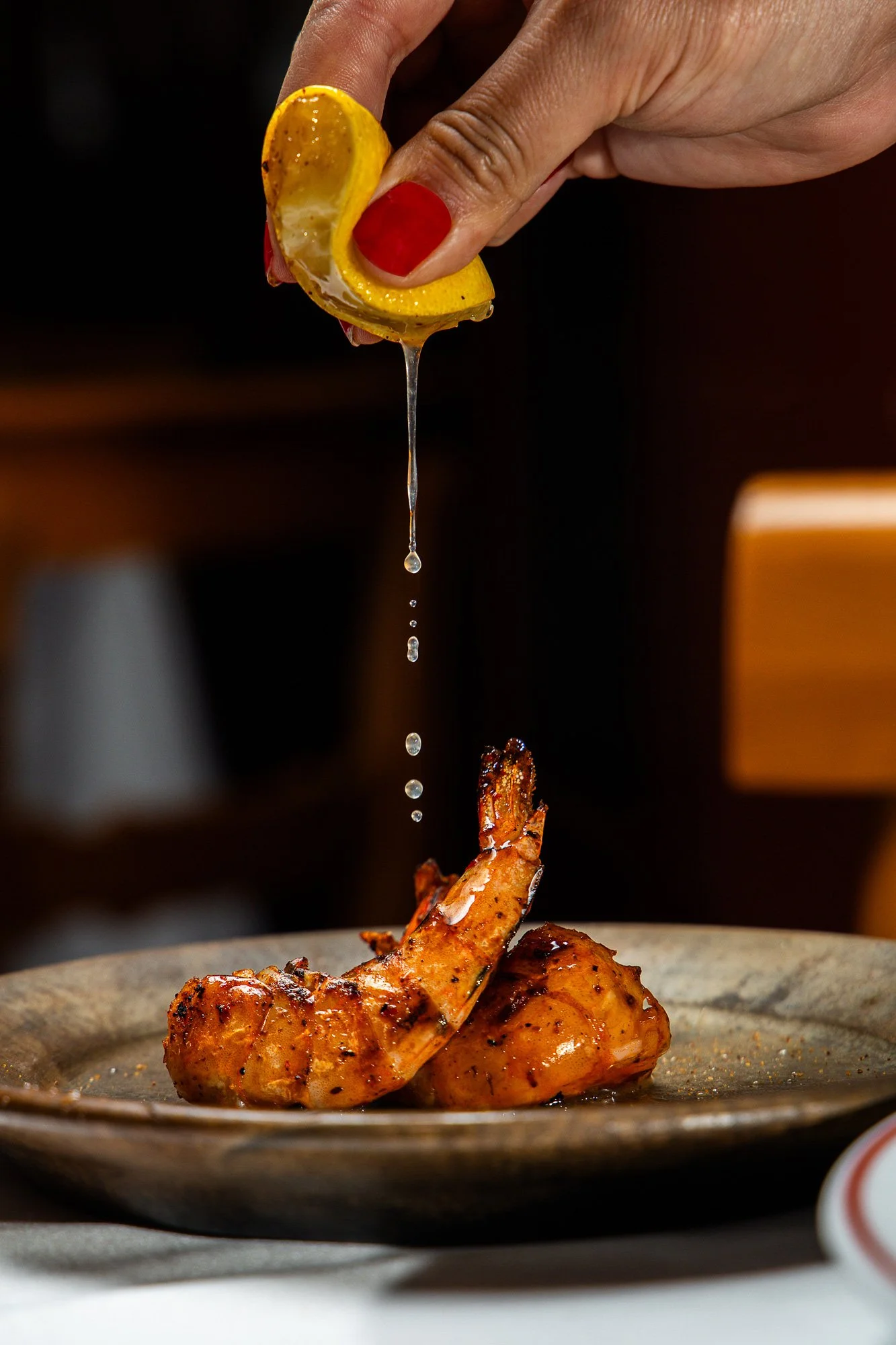
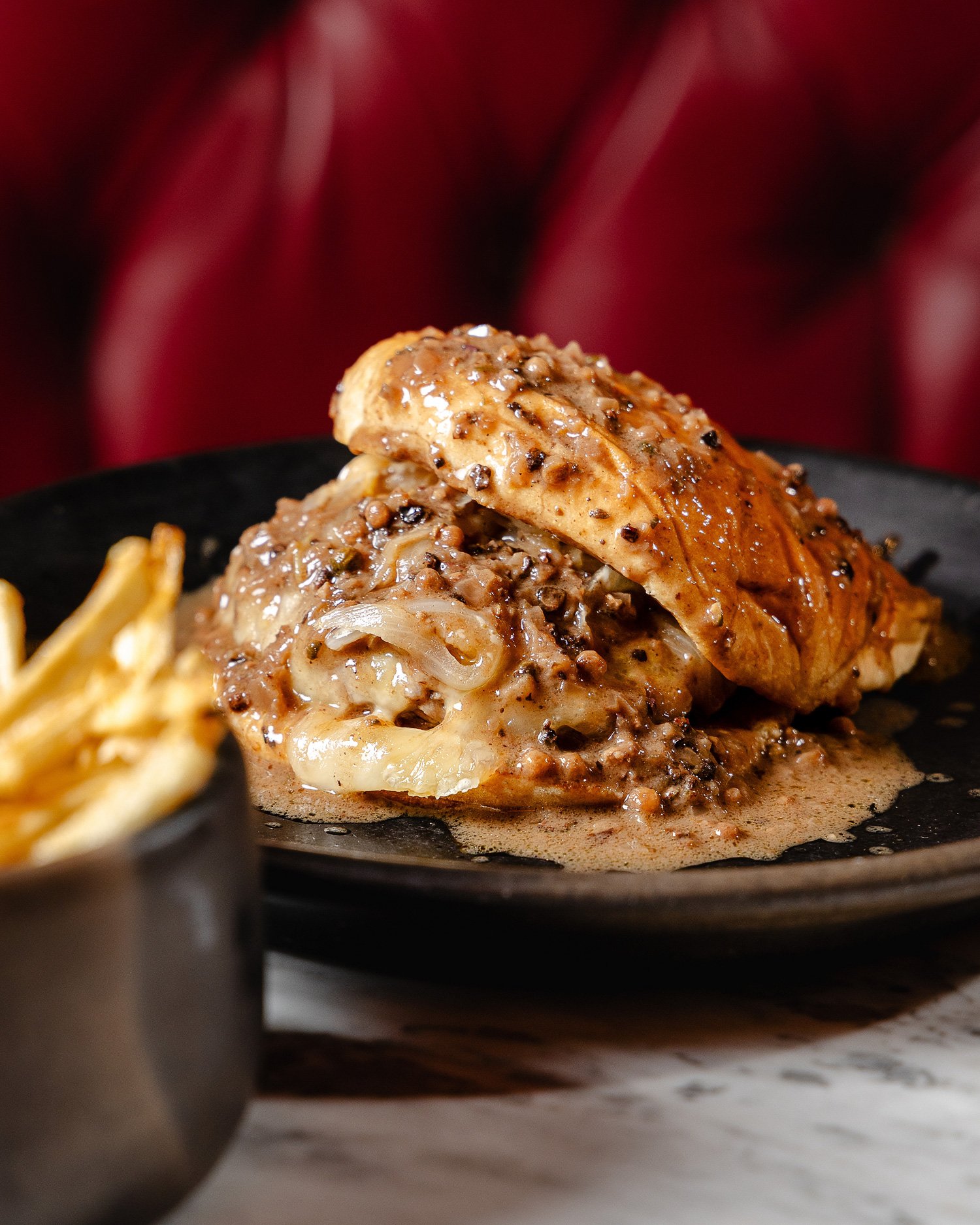
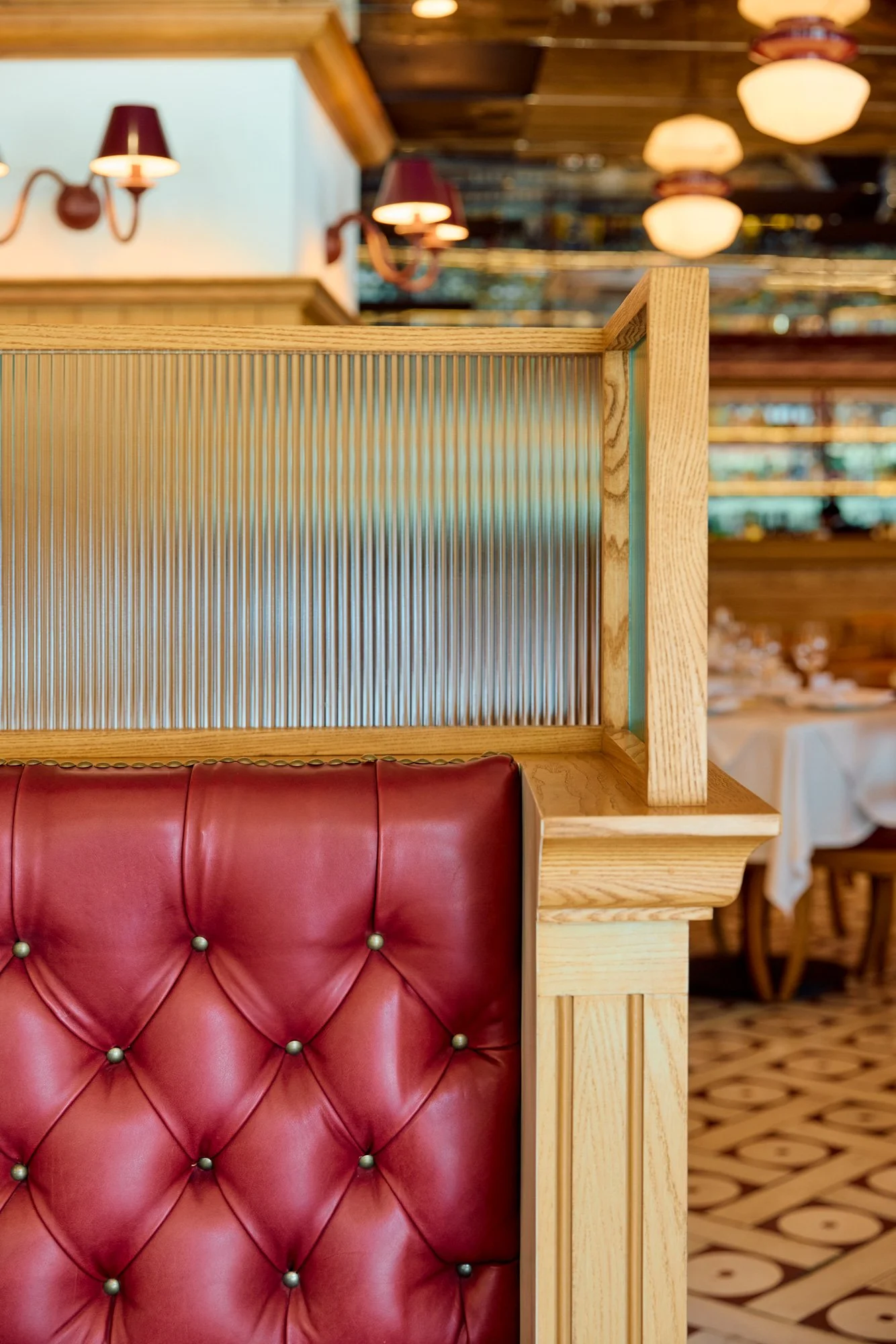
While the food draws inspiration from generations of home cooking, the setting evokes a different chapter of Mexico’s cultural history. The interiors reference the grand dining rooms that flourished during the Porfiriato era in the historic centre of Mexico City. Patterned tile floors echo the Aztec Chalchihuitl symbol, associated with beauty and value, while the backs of chairs feature a small inlaid eagle that recalls the emblem of the First Mexican Empire. Warm wood furnishings, a sweeping bar lined with bottles, and ceramic tableware crafted by artisans from Guerrero and Oaxaca lend the room a sense of historical continuity.
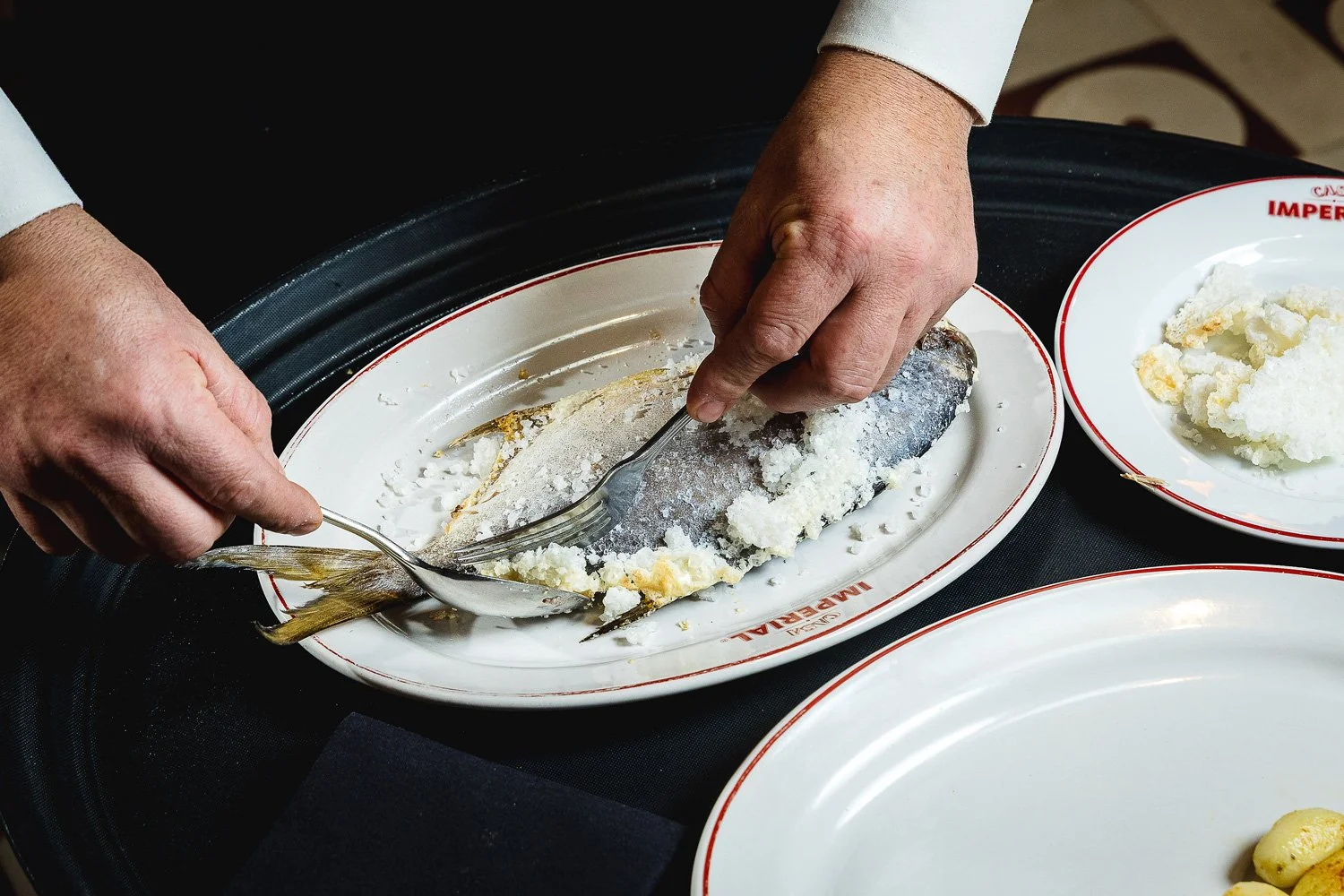
A whole fish encased in salt is opened tableside, revealing tender meat beneath the crust.
Together, these details create a setting that feels both rooted in tradition and quietly contemporary. Casa Imperial does not attempt to reinterpret Mexican cuisine through spectacle. Instead, it invites diners to slow down and rediscover the dishes that have long defined the country’s culinary identity.
Here, the flavours of Mexico are not inventions. They are memories, preserved in the practiced hands of the mayoras who first brought them to life.
Photos courtesy of Casa Imperial