PROGRESS BRAND SHOWROOM || Quiet Architecture Redefines Luxury Retail in China
The most confident spaces are the ones that lower their voices.
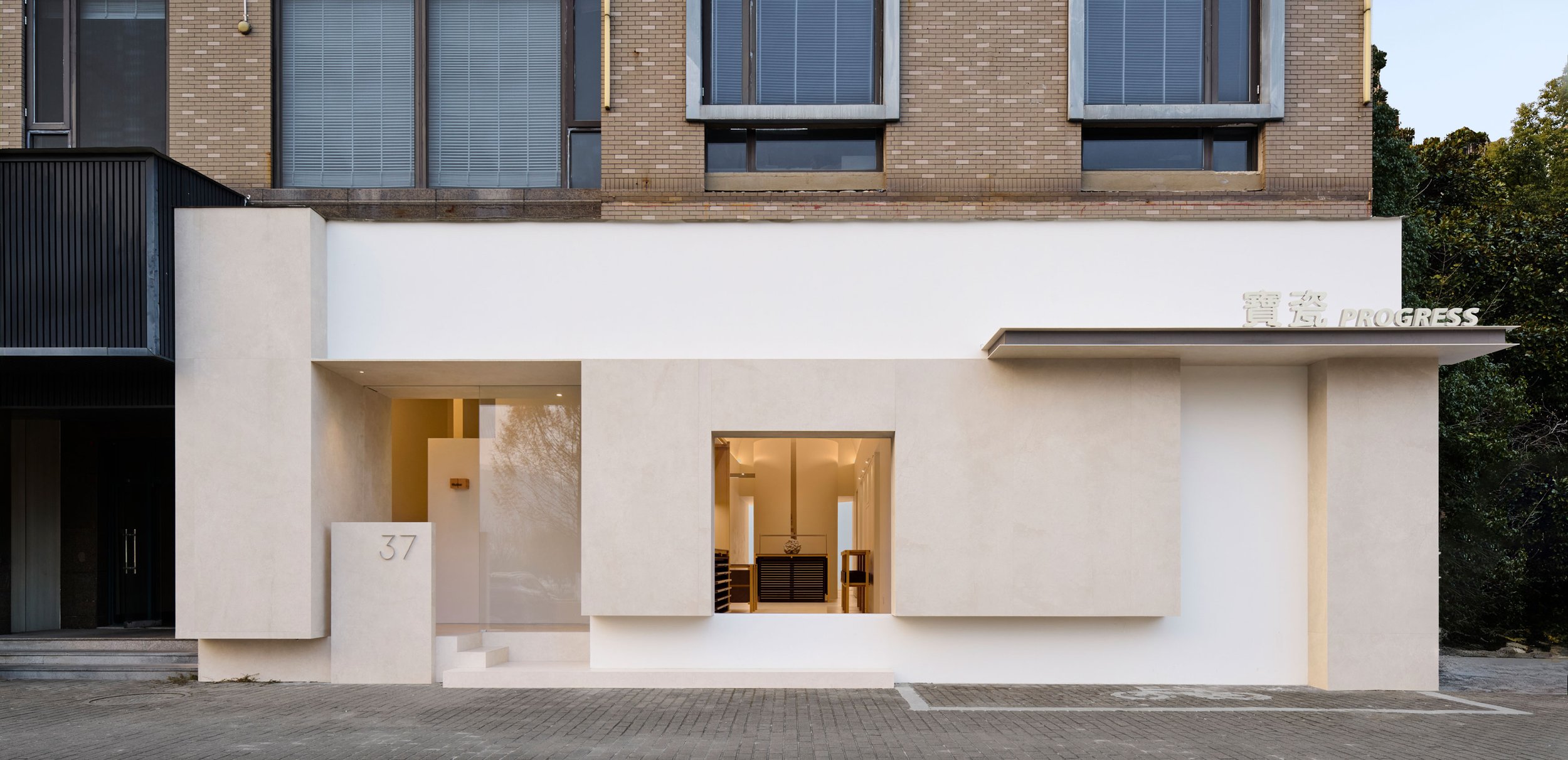
In Taizhou, a city shaped by industry and momentum, the Progress Brand Showroom takes an unexpectedly restrained approach to luxury retail. Designed by Lingjie AR.Design, the multi-brand showroom rejects spectacle in favour of calm, fluidity, and architectural humility. Rather than announcing itself, the space invites visitors to slow down and pay attention.
Occupying a prominent corner at the end of an urban block, the building could have easily leaned into visual dominance. Instead, the façade adopts a quiet, free-flowing geometry that feels gently expressive rather than iconic. Soft curves and restrained material choices allow the architecture to sit comfortably within the streetscape.
A restrained street façade introduces the showroom as a quiet architectural presence within the urban fabric.
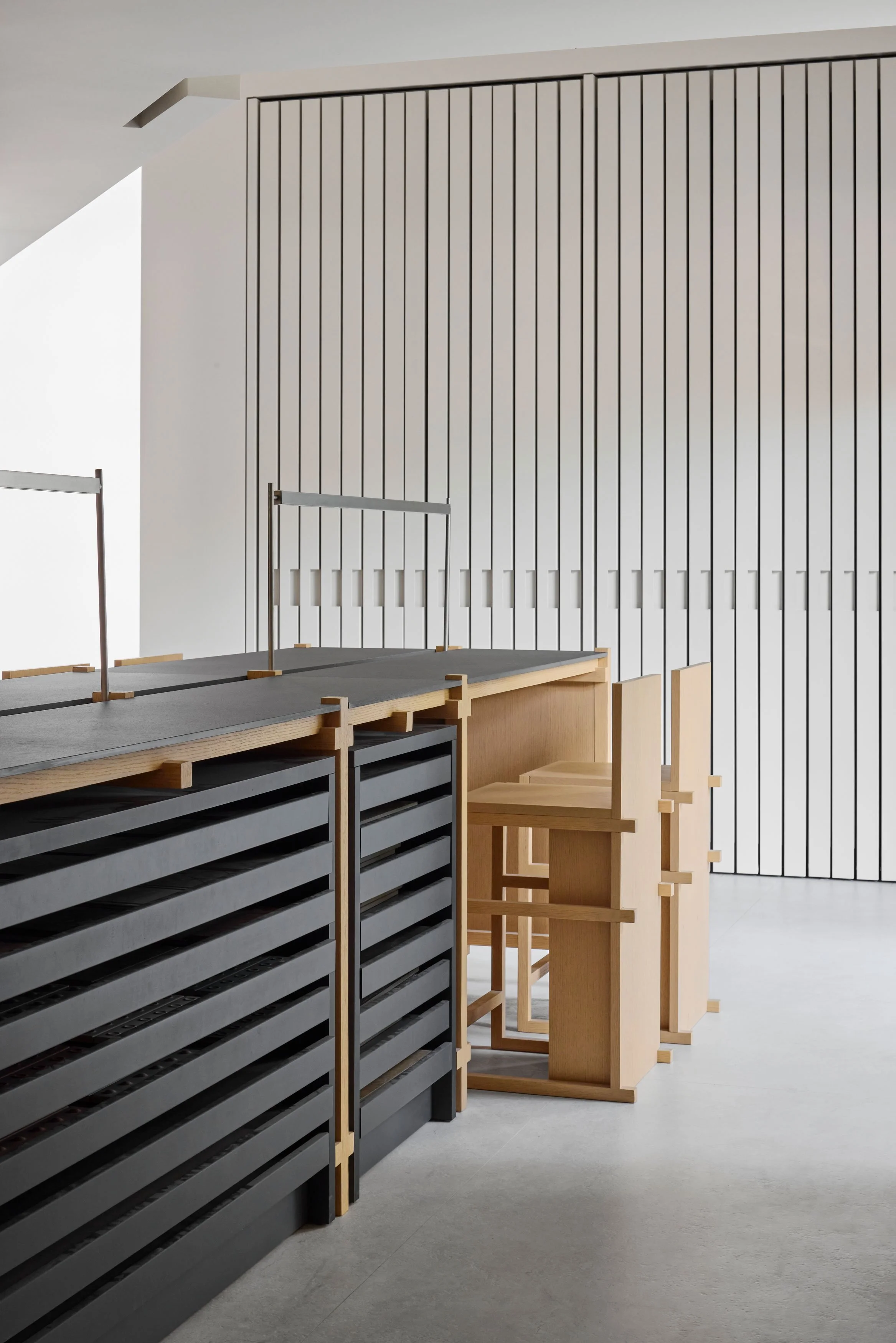
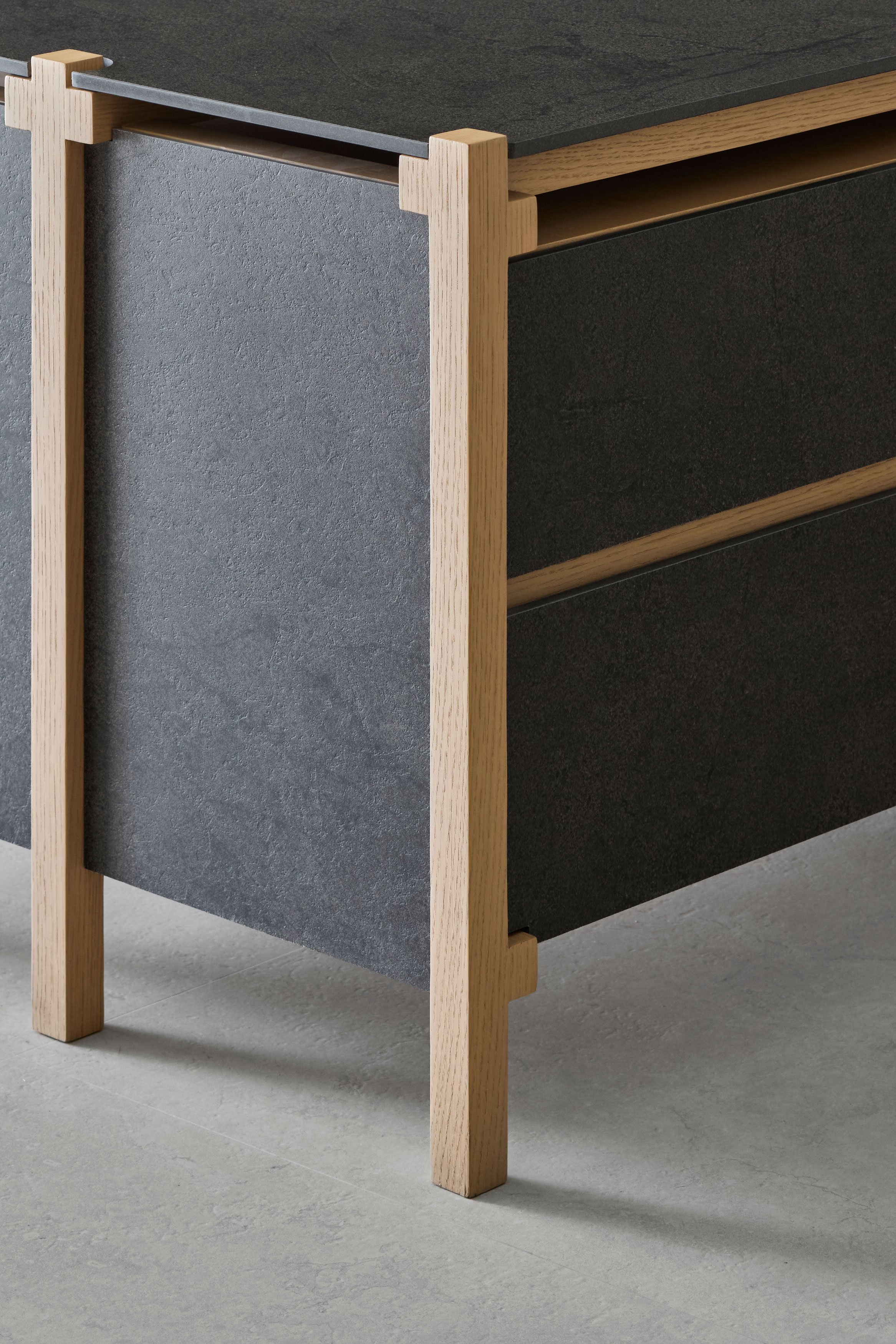
Custom modular display systems combine wood and ceramic to balance warmth, structure, and flexibility.
Inside, the showroom unfolds as a continuous spatial gesture. Walls curve and straighten in measured rhythm, creating moments that feel both intuitive and unforced. Movement through the space is instinctive, guided by subtle shifts in form rather than overt signage or theatrical cues. The experience feels closer to walking through a gallery or pavilion than navigating a conventional retail environment.
This sense of ease is intentional. The design team describes the project as an effort to dissolve the invisible pressure often associated with high-end retail. Instead of intimidation or formality, the showroom prioritizes comfort and freedom. Visitors are encouraged to explore at their own pace, engaging with materials and products without distraction.
The showroom’s interior prioritizes spatial flow, allowing visitors to move freely without visual distraction.
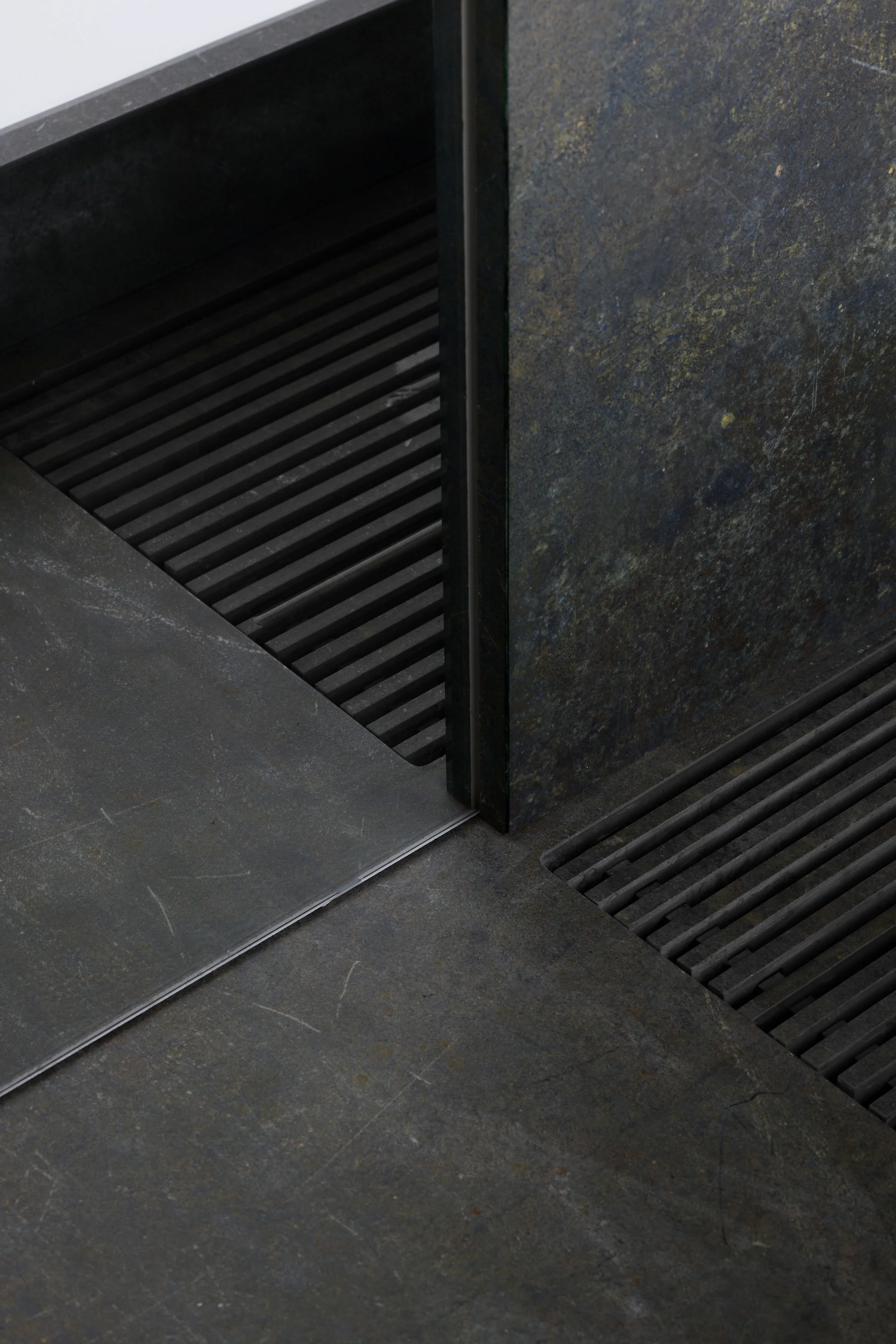
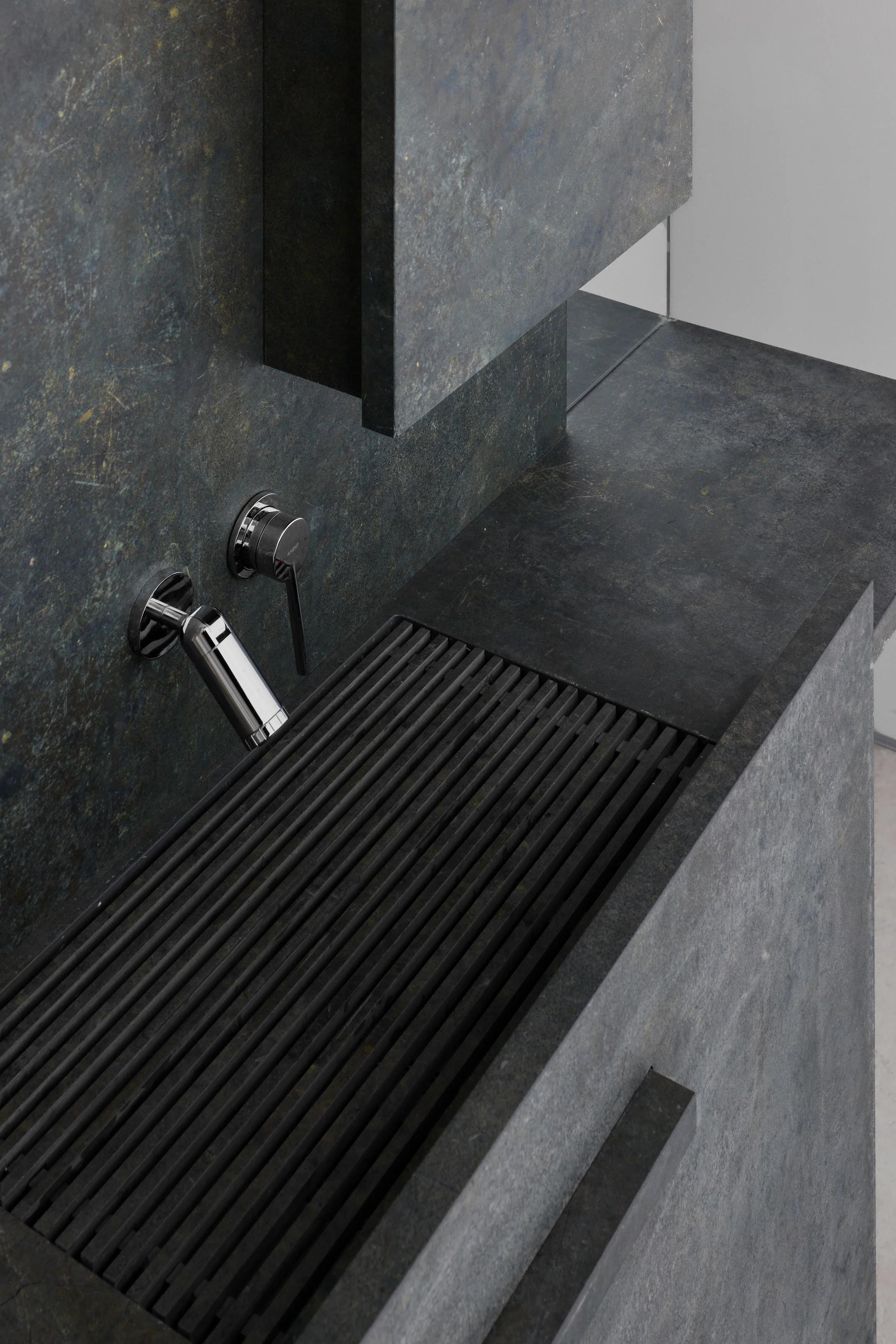
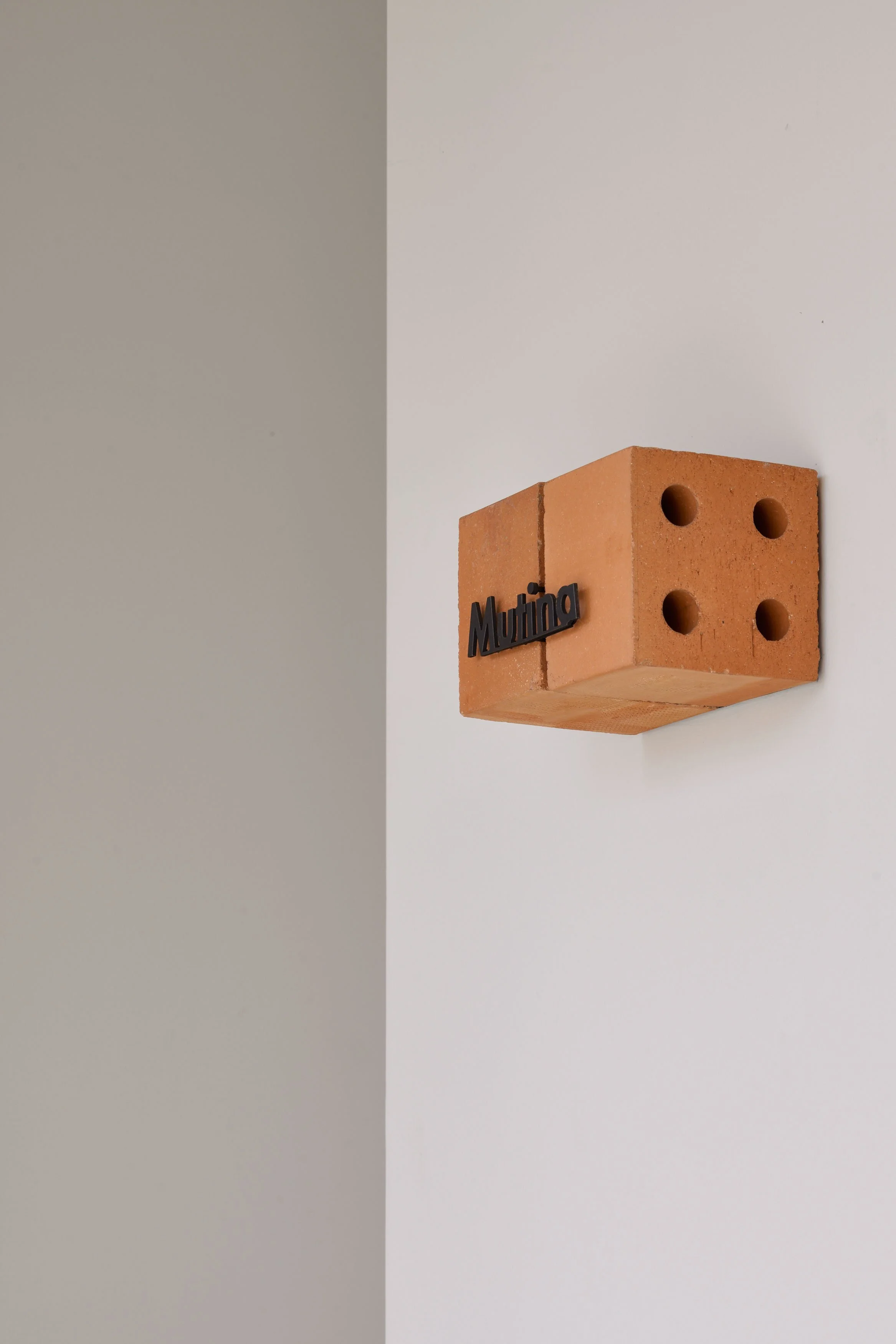
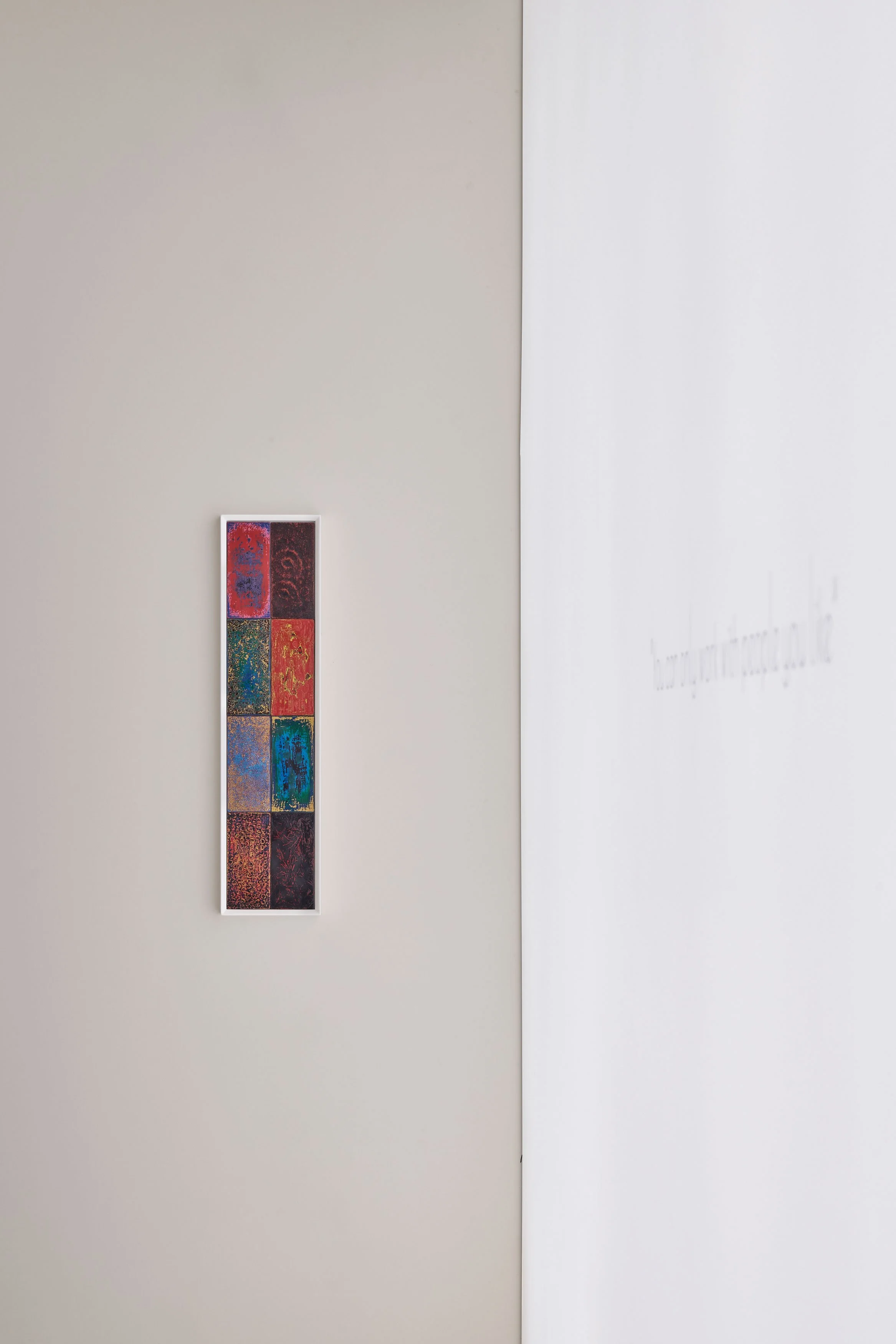
Ceramic surfaces take centre stage, supported by an interior palette that deliberately recedes. Walls, floors, and structural elements act as a quiet backdrop, allowing texture, colour, and craftsmanship to emerge naturally. Nothing competes for attention. Every design decision reinforces the same principle: architecture exists to serve the product, not overshadow it.
A custom modular display system further supports this philosophy. Warm wood structures are paired with ceramic components to create a flexible framework that balances storage and presentation. The system is systematic and extendable, designed to adapt as collections evolve over time. Rather than fixed installations, the displays function as tools, capable of responding to change without disrupting the spatial calm.
Modular elements transition seamlessly between storage and display as the brand evolves.
The showroom is organized across two levels. The ground floor is dedicated to product display and experiential engagement, while the upper level accommodates administrative and office functions. This clear separation allows the public areas to remain focused and serene, free from unnecessary complexity.
Light and proportion work together to create moments of stillness throughout the space.
What emerges is a new model for luxury retail, one that values clarity over spectacle and longevity over trend. The Progress Brand Showroom builds trust through restraint, precision, and an almost meditative sense of balance.
In a market often defined by visual noise, this project offers a compelling alternative. Luxury, here, is not staged. It is felt quietly, through space, material, and the freedom to experience without pressure.
PROJECT DETAILS
Project Name: Progress Brand Showroom
Project Location: No. 37, Linhai Avenue, Dayang Subdistrict, Linhai City, Taizhou, Zhejiang Province, China
Design Director: Chen Lingjie
Design Team: Zheng Yin
Design Firm: Lingjie AR. Design
Project Area: 220 sqm
Project Photography: Yunmian Photography
Content & Copywriting: Pure Oxygen Design