HOUSE SM || A Contemporary Courtyard House in Portugal Designed for Privacy, Solar Orientation, and Single-Storey Living
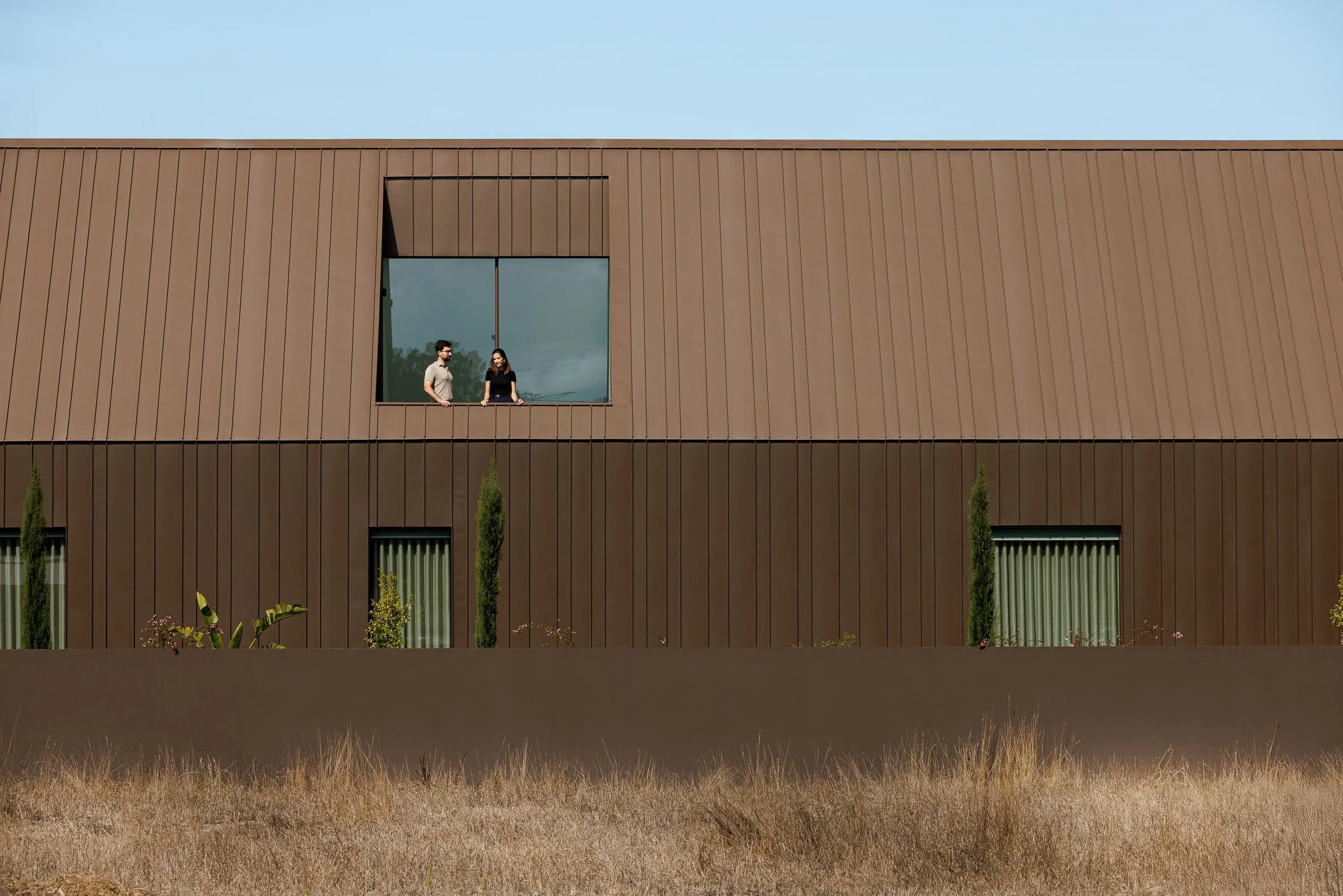
In an open field where future neighbours are inevitable, this contemporary Portuguese house answers a quiet question: how do you design for privacy before the world closes in?
Located in Ílhavo, House SM by Mário Alves Arquitetura is shaped by two clear premises: reconcile the client’s program within a single-storey layout and respond intelligently to a site that is currently open, but soon to be surrounded by new construction. The result is a contemporary courtyard house that anticipates density without surrendering light, openness, or spatial generosity.
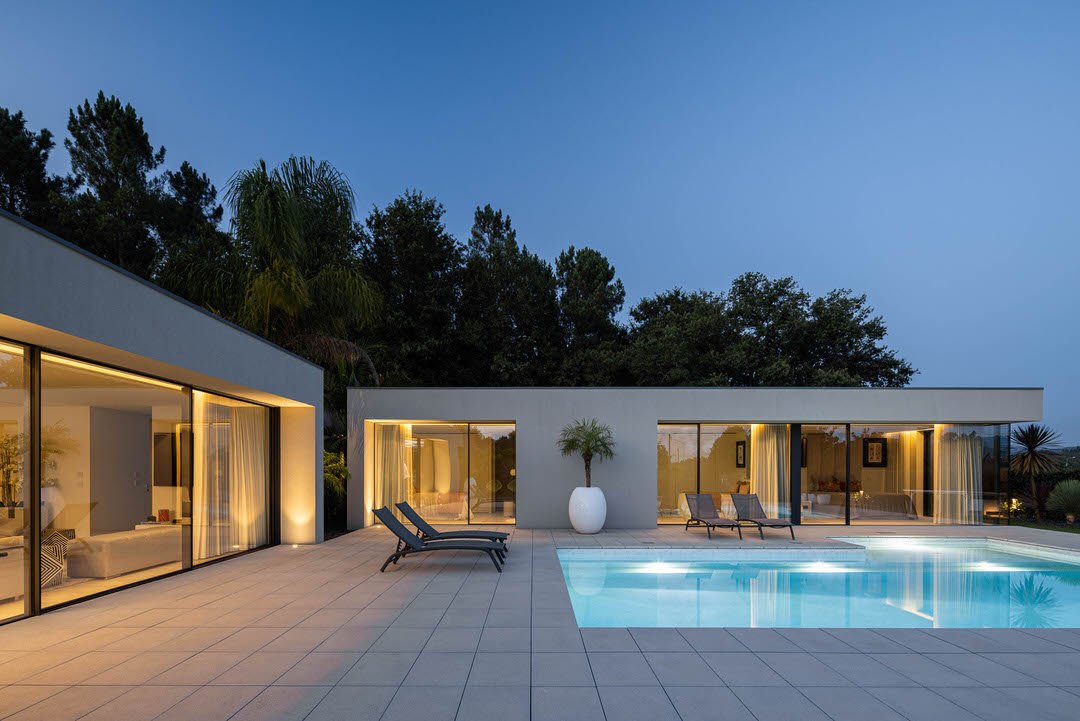
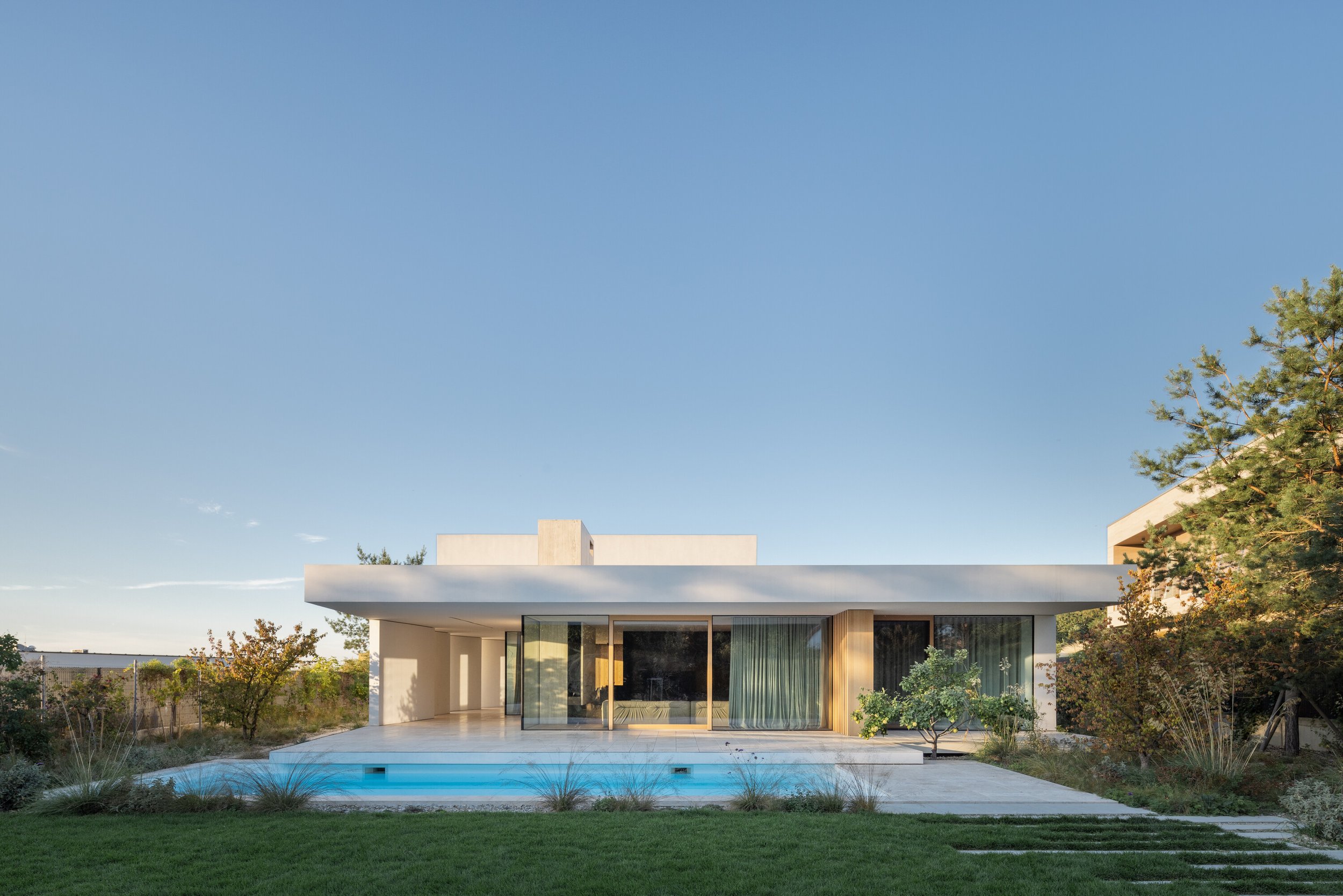
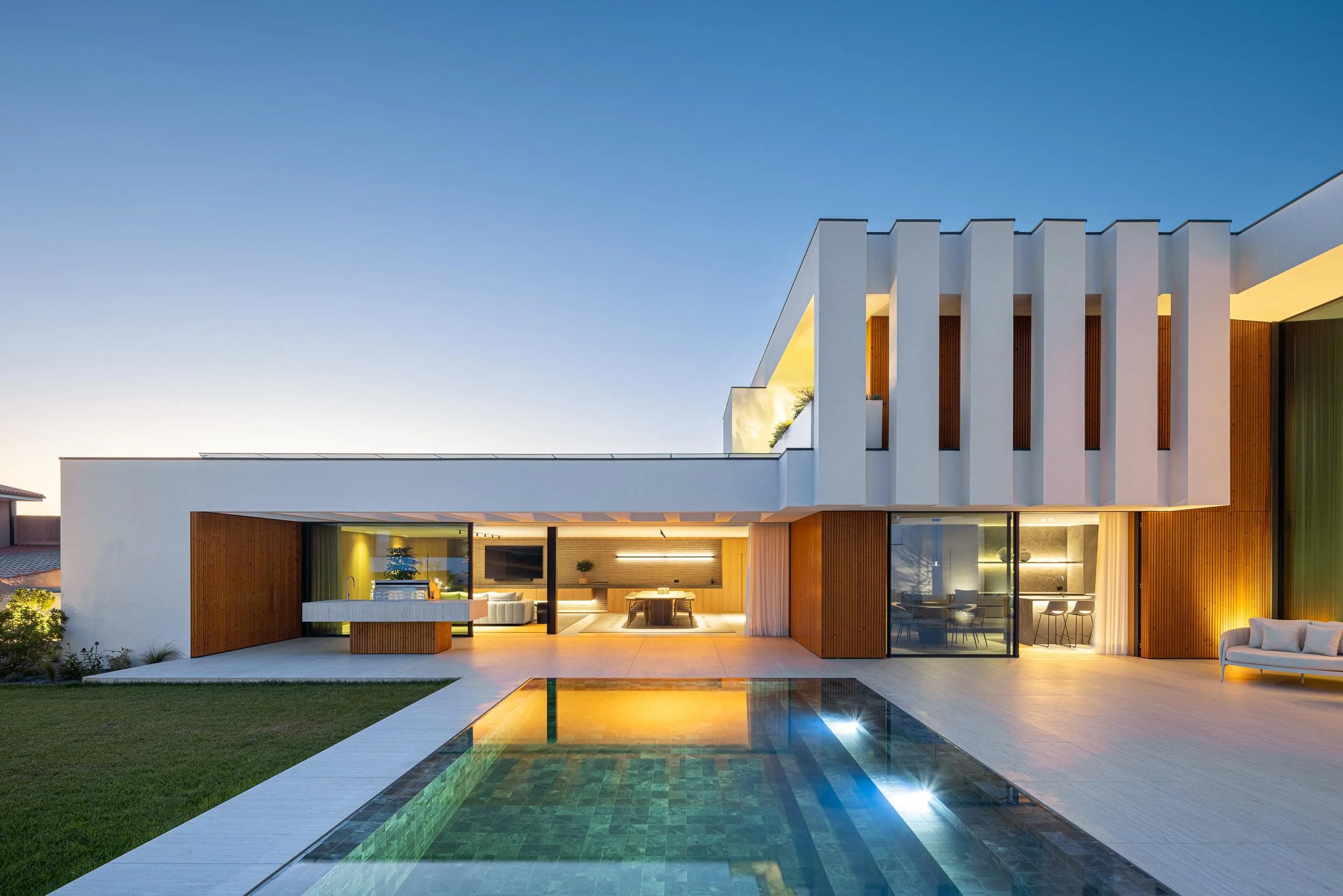
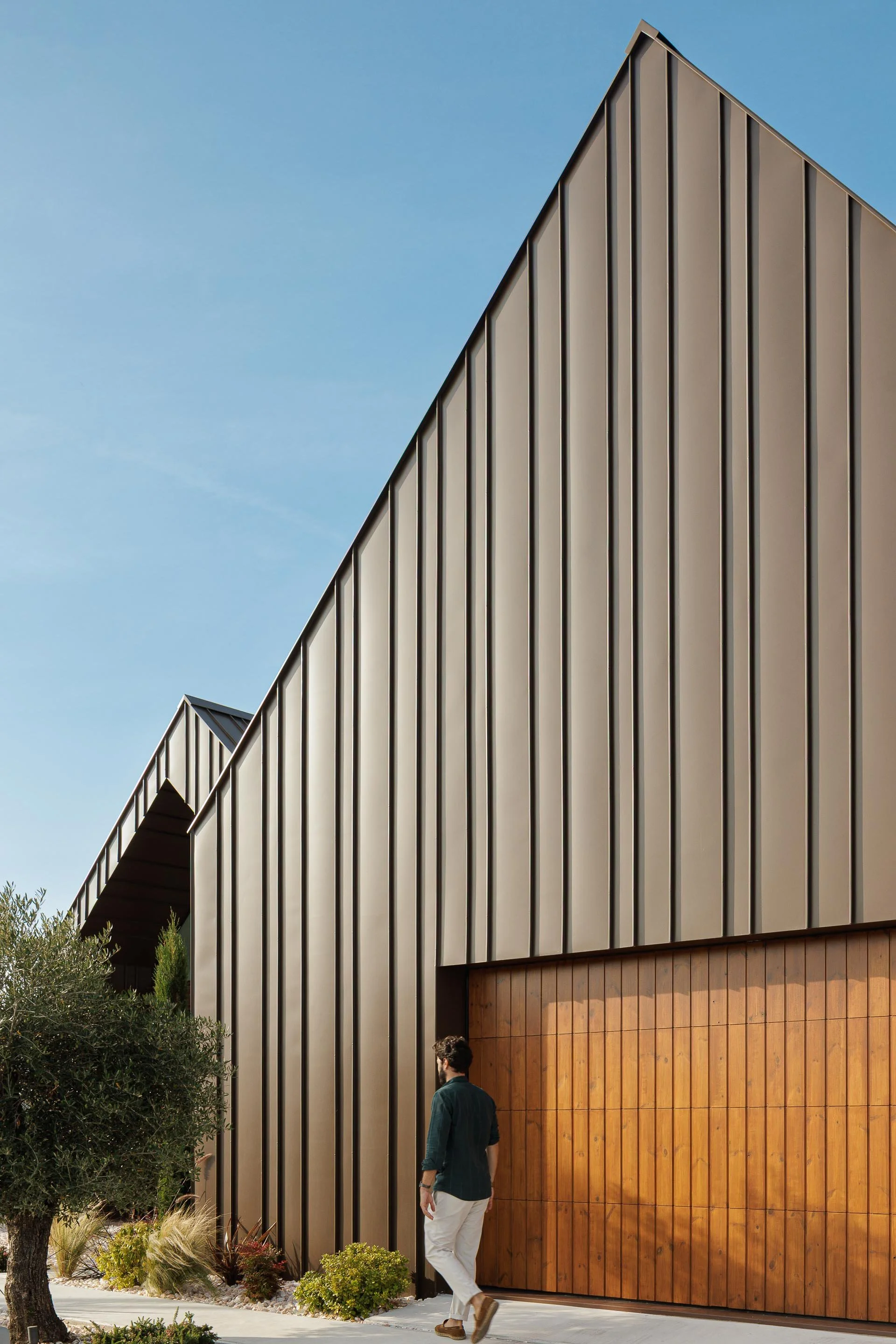
House SM presents two zinc-clad volumes positioned to maximize solar exposure while protecting interior privacy.
Controlled openings punctuate the Elzinc Rainbow Marron façade, balancing light intake with discretion.
The requirement to resolve the entire program on one level is not a limitation here; it is the generator of the concept. Rather than spreading the house indiscriminately across the 380-square-metre footprint, the architect divides it into two distinct volumes. Each assumes a specific role within the domestic hierarchy, and together they choreograph a gradual transition from public to private.
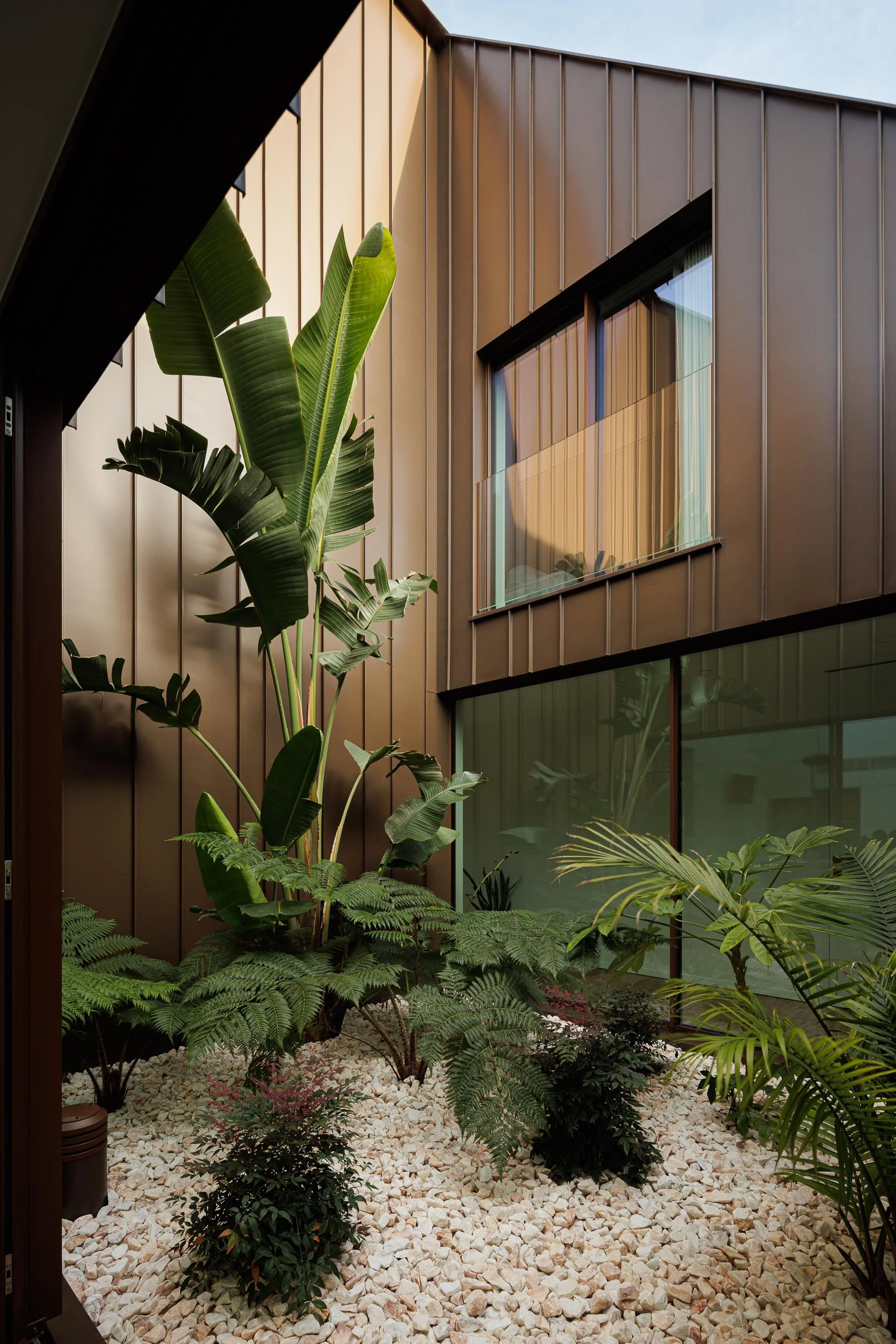
Positioned strategically on the site, the volumes take full advantage of solar exposure while carving out a protected central outdoor space. This courtyard is not residual land left over after planning; it is an integral extension of the interior program. In doing so, the house answers one of the most common questions in contemporary residential design: how can a single-floor home maintain both openness and privacy? The answer lies in sequencing.
The central courtyard acts as both environmental buffer and social heart, extending interior living outward. The private living spaces are sequenced further into the land plot, providing privacy without compromising views and proximity to nature.
The single-storey layout extends visually into the protected courtyard, reinforcing the integration of green space into the program.
The closer one moves toward the interior of the plot, the more reserved the spaces become. Social areas enjoy controlled transparency, with generous glazing that frames the garden while limiting exposure to the street. Private rooms retreat deeper into the composition, buffered by structure and landscape. This spatial gradient creates a subtle but effective privacy strategy that does not rely on heavy barriers or defensive architecture.
Light is equally calibrated. Openings are carefully composed to provide controlled luminosity, ensuring interiors are bright without being overexposed. The interplay between solid zinc-clad surfaces and recessed glazing allows daylight to enter in measured doses. In the kitchen and living areas, double-height ceilings and clerestory openings amplify this effect, drawing sunlight across marble surfaces and timber floors while preserving thermal comfort.
The two zinc-clad volumes frame a protected courtyard, where landscaping and controlled glazing reinforce the home’s gradual transition from openness to privacy.
Materiality reinforces the architectural logic. The exterior envelope is clad in Elzinc Rainbow Marron, a warm-toned zinc that references the region’s traditional pitched forms while expressing them in a contemporary language. The sloped rooflines subtly echo vernacular silhouettes, yet the execution remains precise and modern. This balance between memory and innovation grounds the house within its cultural context without resorting to imitation.
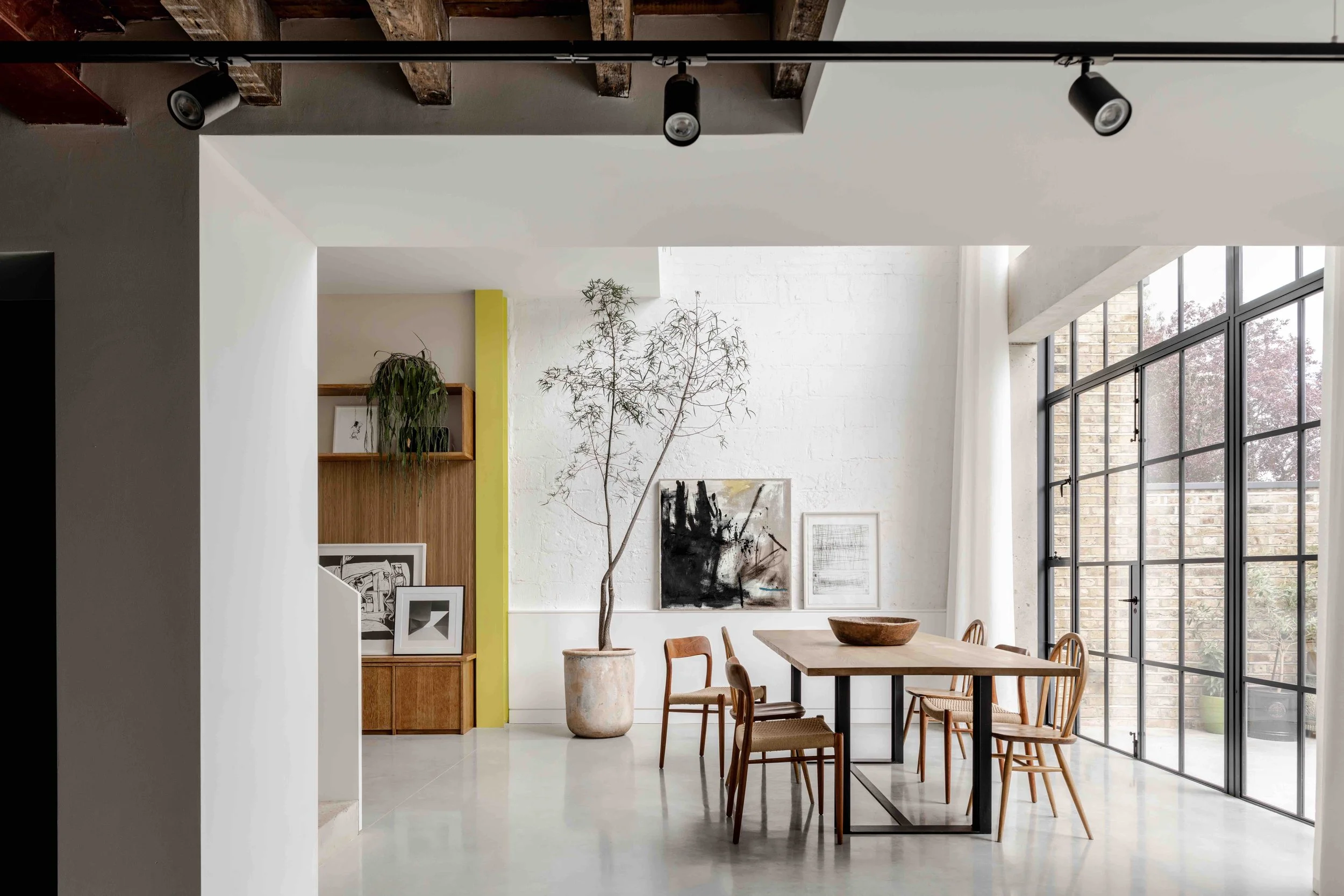
Inside, restraint prevails. Silestone Calacatta Gold surfaces by Cosentino introduce refinement within the kitchen, while Lunawood timber and carefully detailed joinery soften the spatial geometry. The interior palette is deliberately calm, allowing light and proportion to take precedence over ornament.
Silestone Calacatta Gold surfaces introduce refinement within a restrained architectural envelope.
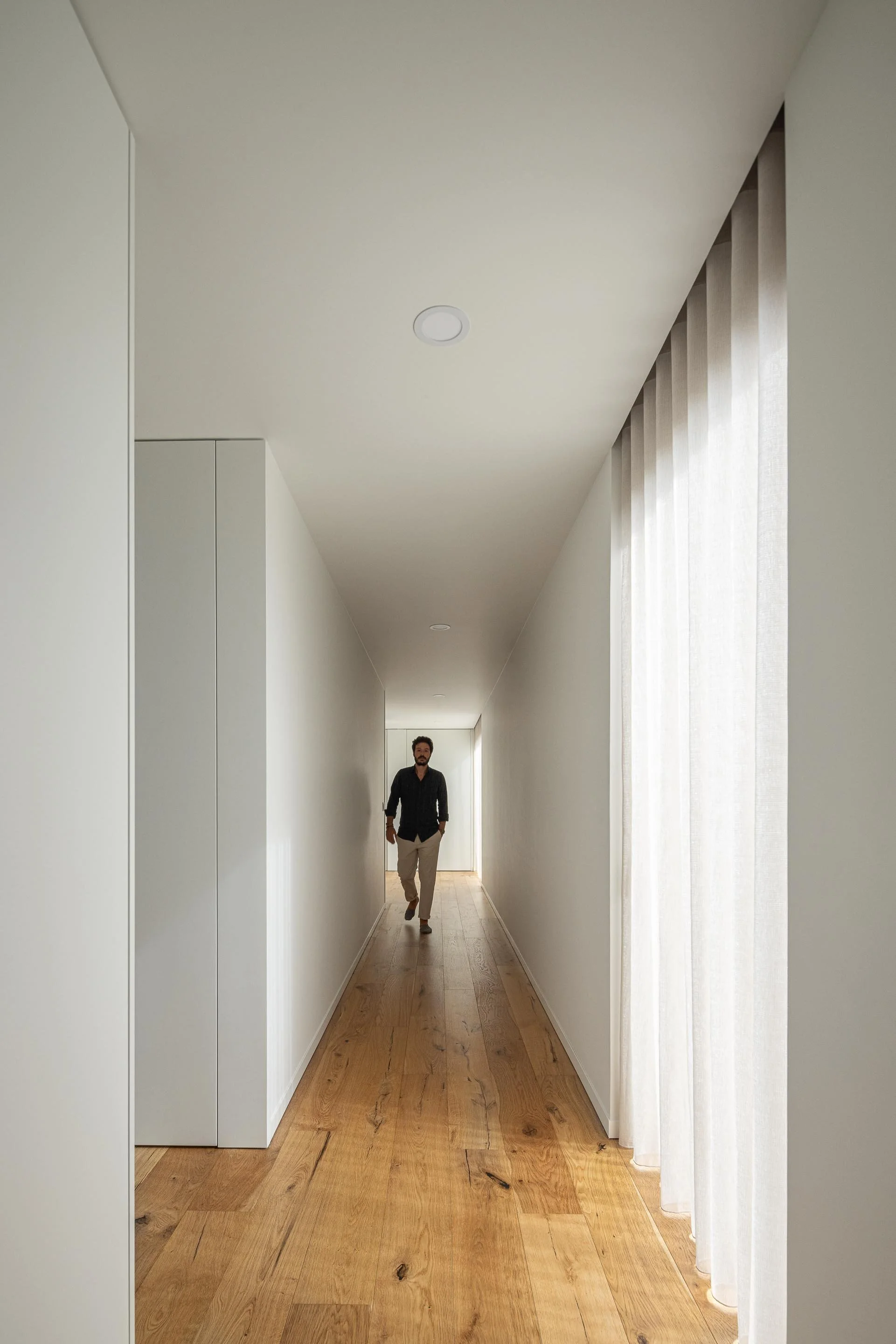
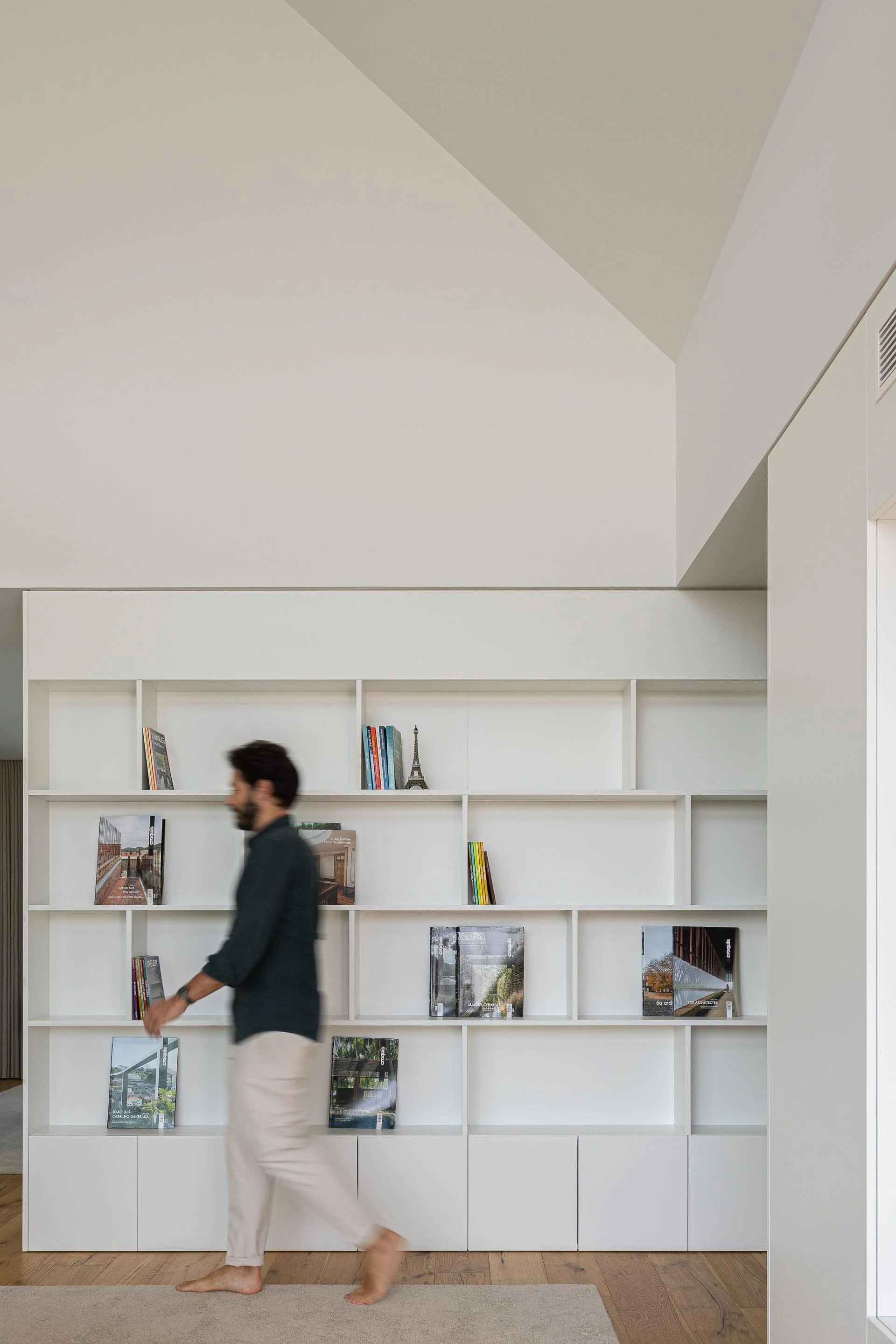
Floor-to-ceiling glazing connects the single-storey living space to the courtyard, allowing natural light to filter in while maintaining visual discretion from the street.
Perhaps the most compelling aspect of House SM is how it anticipates change. The surrounding emptiness will not remain forever, yet the architecture does not depend on isolation to function. By embedding privacy into its plan and orienting its volumes with intention, the house remains resilient regardless of future development.
In an era where many contemporary homes chase spectacle through height or excess glazing, House SM demonstrates another path. It proves that a modern courtyard house, thoughtfully oriented and precisely composed, can achieve spatial richness on a single plane. Privacy here is not an afterthought. It is designed into the architecture from the very first line drawn.
PROJECT DETAILS
Project name: House SM
Architecture Office: Mário Alves Arquitetura
Main Architect: Mário Alves | Instagram
Location: Ílhavo
Year of completion: 2024
Total area: 380,00m2
Engineering: Pedro Oliveira Abreu
Architectural photographer: Ivo Tavares Studio | Instagram