DESIGNING FOR DIGNITY IN OLD AGE || How a Biophilic, Household-Based Senior Home Eliminates the Institutional Corridor
For decades, senior homes have been defined by long corridors and fluorescent light; this project replaces both with gardens, daylight, and a series of self-contained households built around interior courtyards.
Set on the site of a former orchard in Nový Bydžov, Czech Republic, the new Senior Citizens’ Home by Architektura reconsiders what elderly care can look and feel like. Instead of treating ageing as decline to be managed, the building treats it as a stage of life deserving autonomy, beauty, and calm.
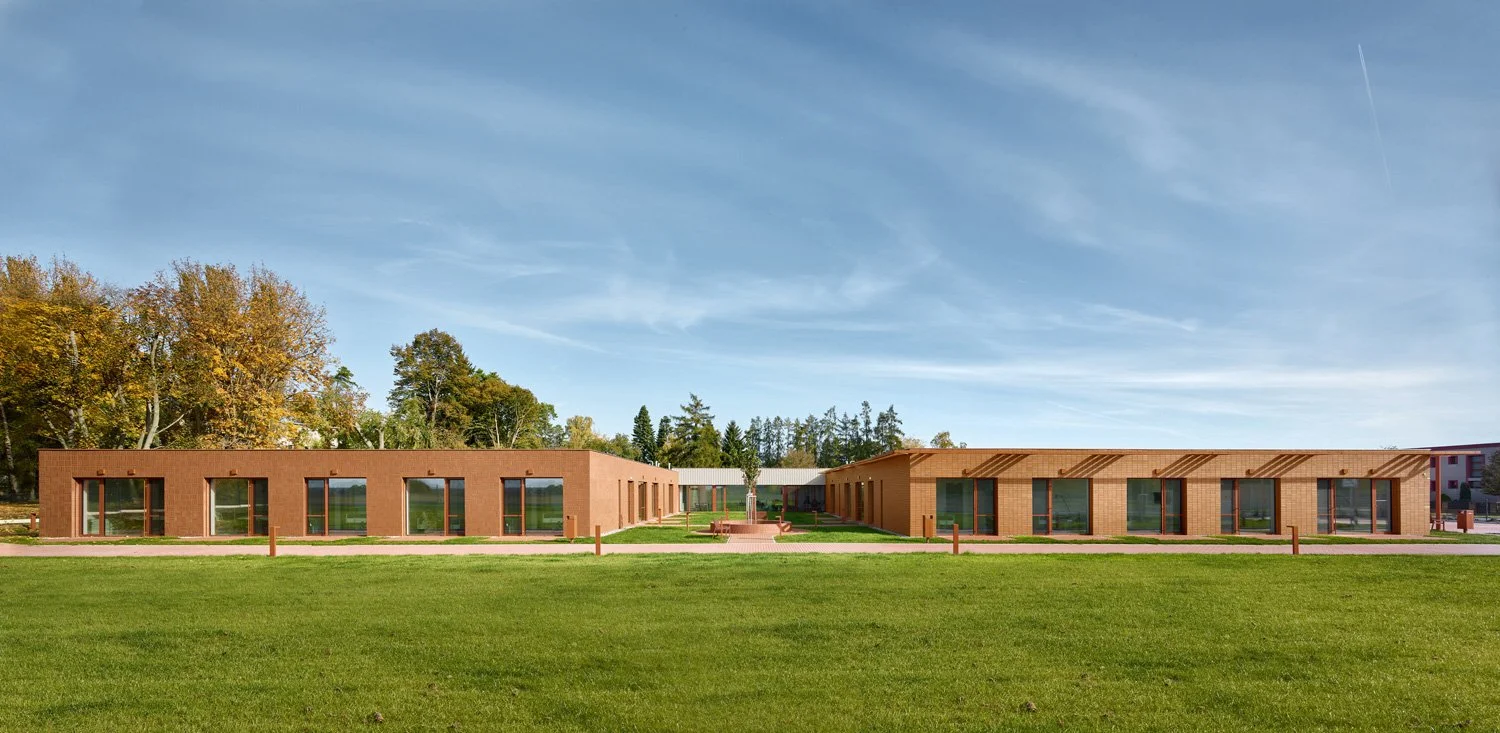
The concept is deceptively simple. Approximately sixty residents are divided into four independent households, each accommodating fifteen clients with dedicated staff support. Rather than arranging rooms along linear hallways, each household wraps around a private interior atrium. Corridors curve gently around gardens instead of stretching endlessly in one direction. The effect is spatially compact, legible, and domestic in scale.
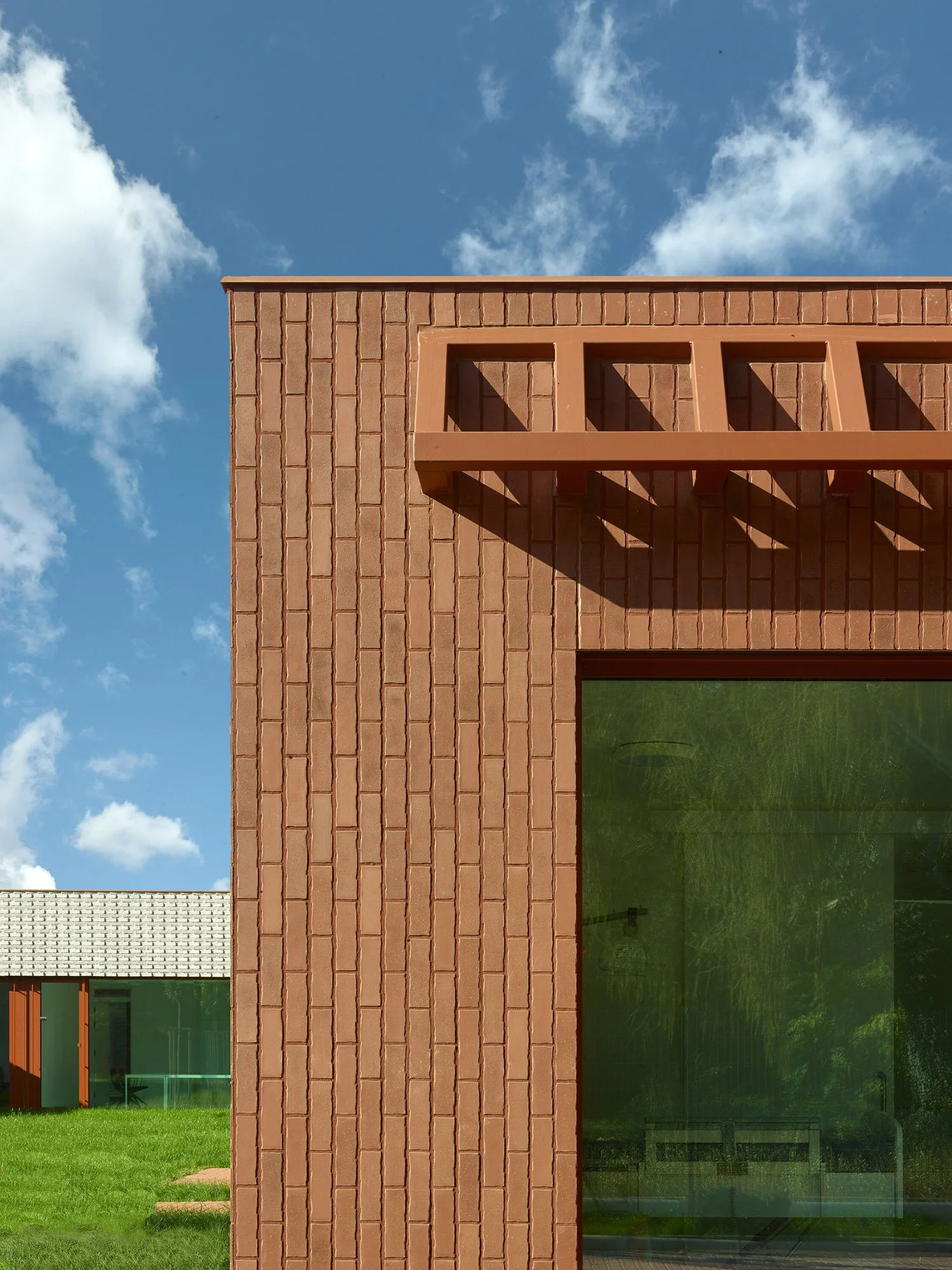
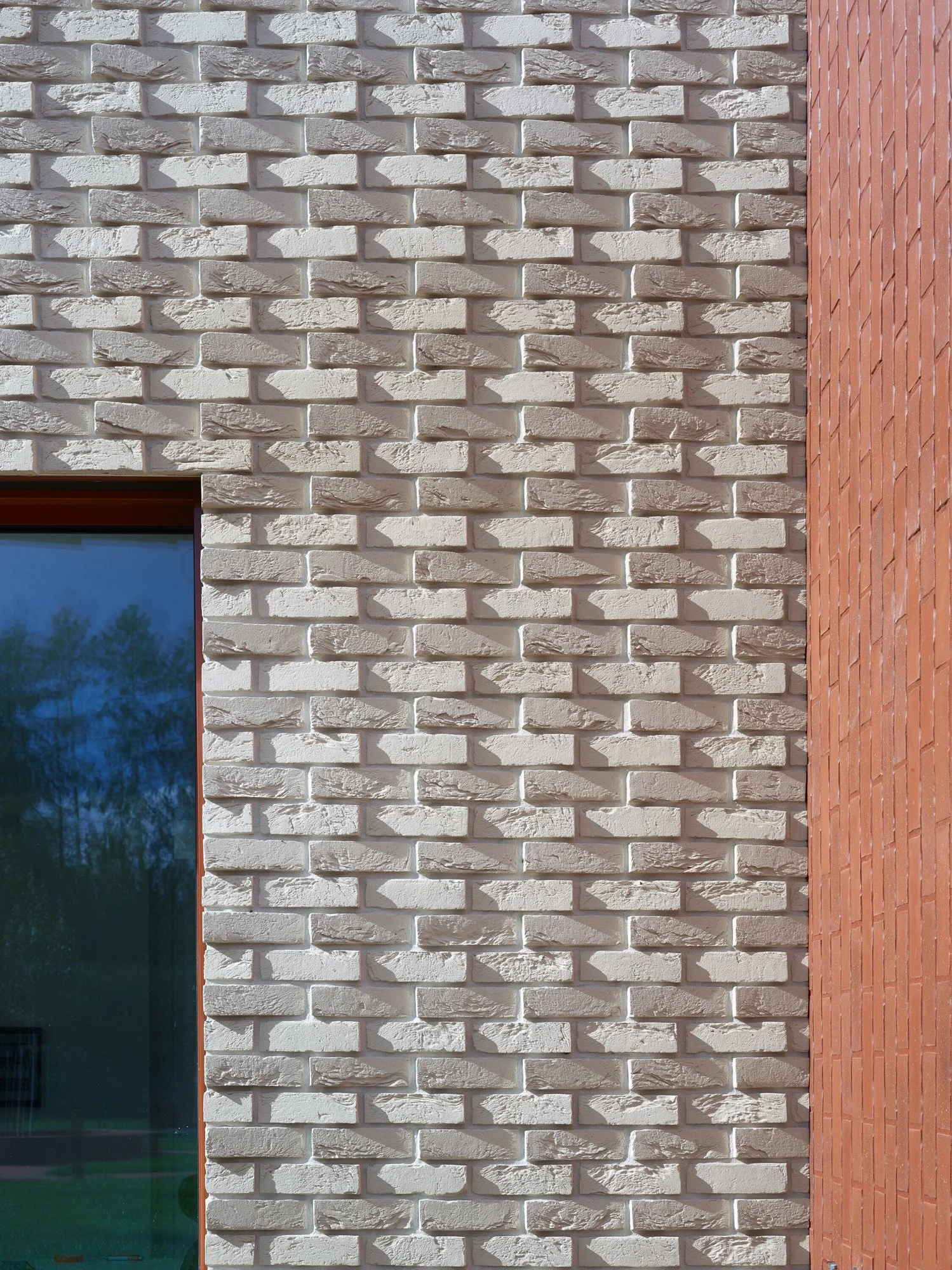
The single-storey brick volumes form four independent households arranged around private interior atriums. Below: Distinct brick patterns differentiate each volume while maintaining material continuity.
Each household is organized around a courtyard, replacing institutional corridors with light-filled circulation.
This household-based senior living model is increasingly discussed in progressive care design across Europe. By limiting the size of each group, residents experience familiarity rather than anonymity. The architecture supports orientation and social cohesion while preserving privacy. Each room includes its own bathroom, hallway, and small terrace with direct outdoor access, reinforcing independence.
Equally important is the building’s biophilic approach. Natural light penetrates deep into the plan through internal courtyards and large French windows. Every circulation path maintains visual contact with greenery. Residents are never separated from daylight or seasonal change; instead, gardens become the spatial heart of each household.
Large French windows provide direct terrace access and continuous visual contact with greenery.
Research on biophilic design in elderly care facilities consistently shows that proximity to nature improves mood, reduces stress, and supports cognitive well-being. Here, that principle is not decorative but structural. The atriums are not added features; they are organizational anchors. They reduce the need for artificial lighting during the day and create intuitive wayfinding cues through light and vegetation.
The building’s single-storey, fully barrier-free layout further reinforces dignity through accessibility. One walks through the home rather than navigating elevators or stair cores. Movement is intentional and gentle, encouraging daily physical activity without institutional rigidity.
Colour-coded kitchenettes reinforce identity and orientation within each domestic-scale unit.
Material choices deepen the sense of calm permanence. Brick facades reference the historic town architecture, grounding the home in its context. Each of the five volumes carries a distinct brick pattern and subtle shading variation, helping residents orient themselves while giving each household its own identity. Window shades and interior colours further differentiate the homes, subtly reinforcing a sense of belonging.
Inside, white plaster walls amplify daylight, while custom flooring printed with scanned images of local grasses and flowers brings the former orchard indoors. The effect is restrained yet personal. This is not nostalgia; it is continuity.
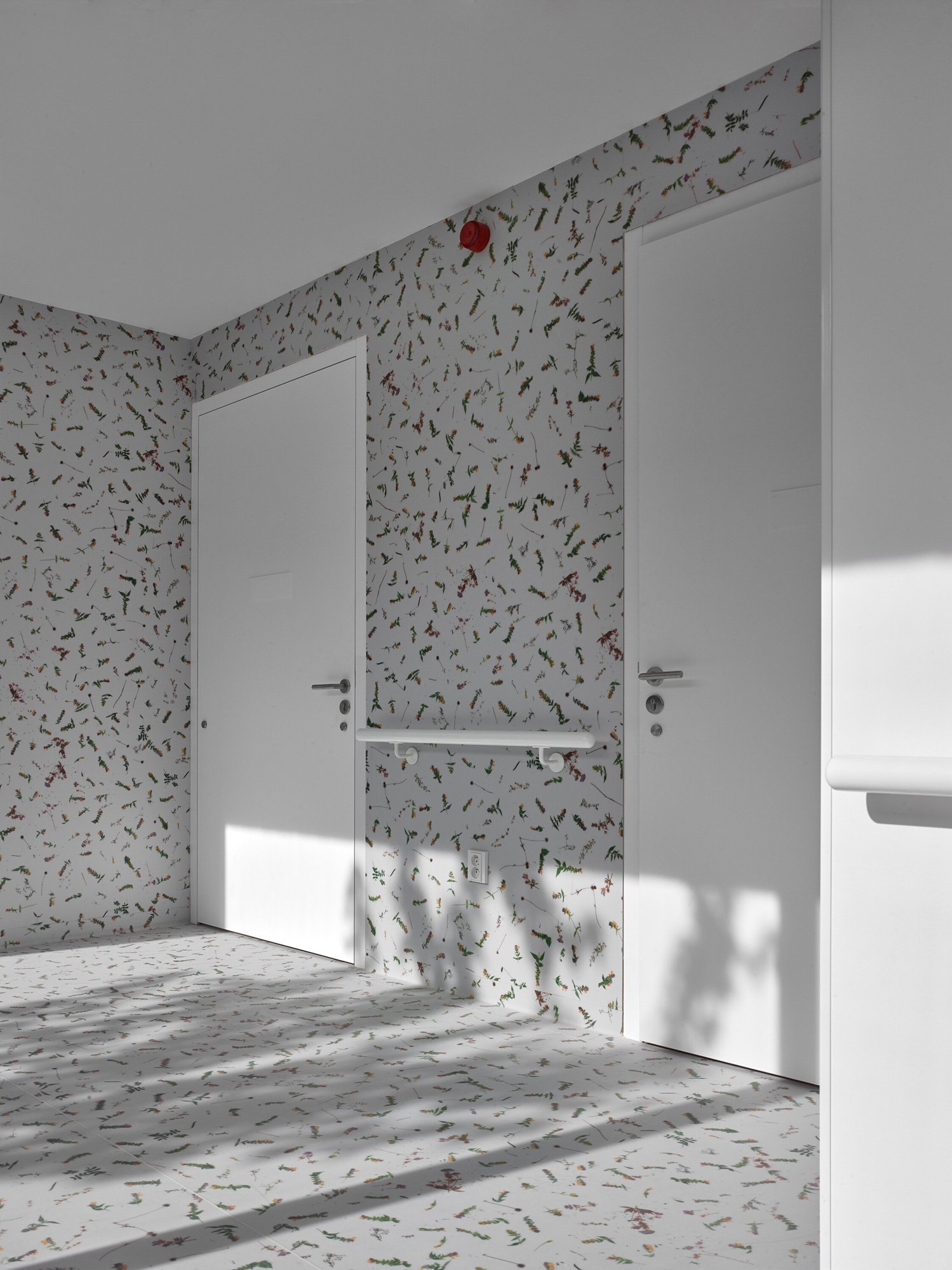

Custom flooring printed with local grasses and flowers references the site’s former orchard.
Technically, the building integrates contemporary performance standards, including triple-glazed aluminum windows, exterior shading blinds to reduce summer overheating, underfloor heating, air-conditioning for indoor air quality, and selected green roof areas. The flat roof accommodates photovoltaics and building technologies, ensuring long-term operational efficiency.
What emerges is neither a hospital nor a retreat removed from life. Located adjacent to a hospital and across from a cemetery, the project confronts ageing directly rather than hiding from it. Yet its architectural language remains quiet. A long red brick line rests in a green landscape, forming a five-part composition connected by a central core.
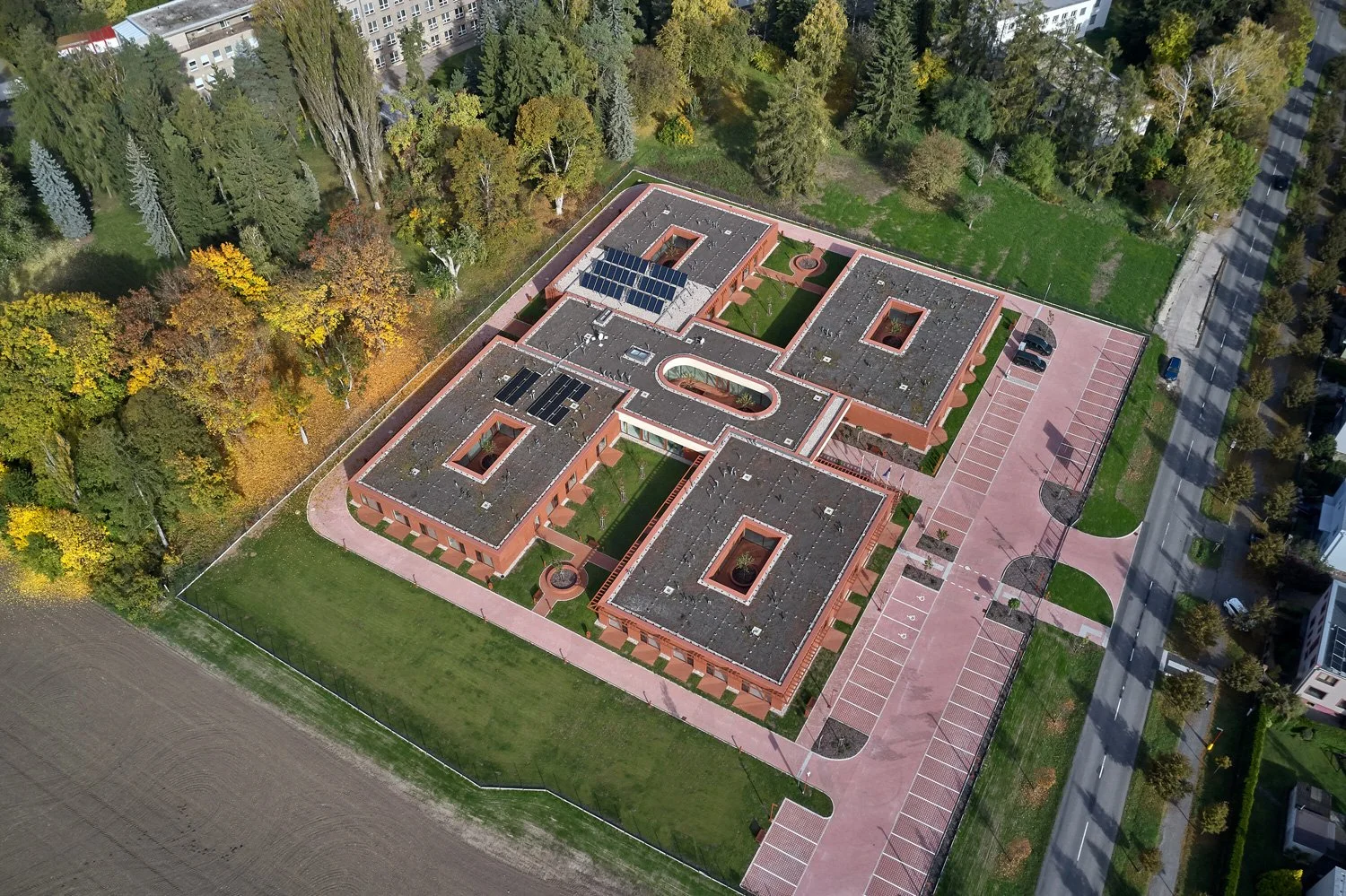
The central atrium connects the four households, creating a legible and walkable layout.
If architecture reflects how society views ageing, this building offers a hopeful answer. Old age here is not storage. It is not an afterthought. It is a phase marked by light, autonomy, community, and a slower rhythm.
And perhaps that is the real innovation: replacing the institutional corridor with a courtyard, and in doing so, restoring dignity through design.
PROJECT DETAILS
Studio: Architektura
Author: David Kraus | Website
Studio address: V korytech 169/11, 106 00 Prague 10 – Záběhlice, Czech Republic
Co-author: Alina Fornaleva [study phase, interior cooperation]
Project location: V aleji, 504 01 Nový Bydžov
Project country: Czech Republic
Project year: 2021
Completion year: 2025
Gross floor area: 3 331 m²
Usable floor area: 2 910 m²
Plot size: 46 000 m²
Cost: 8,47M €
Client: Town of Nový Bydžov
Photographer: Filip Šlapal
Collaborators and suppliers
Project engineer: Projecticon [Pavel Ježek, Jindřich Pavlík]
Wayfinding: Architektura [Zdeněk Dohnálek] RAKOWSKI & CO.
Investor's technical supervision: Jiří Pilský
General supplier: UNISTAV CONSTRUCTION
Furniture supplier: Dřevotvar
Window supplier: Glamet
Kitchen supplier: ADI Interiér